

Hamster Care Tips for First-Time Pocket Pet Owners

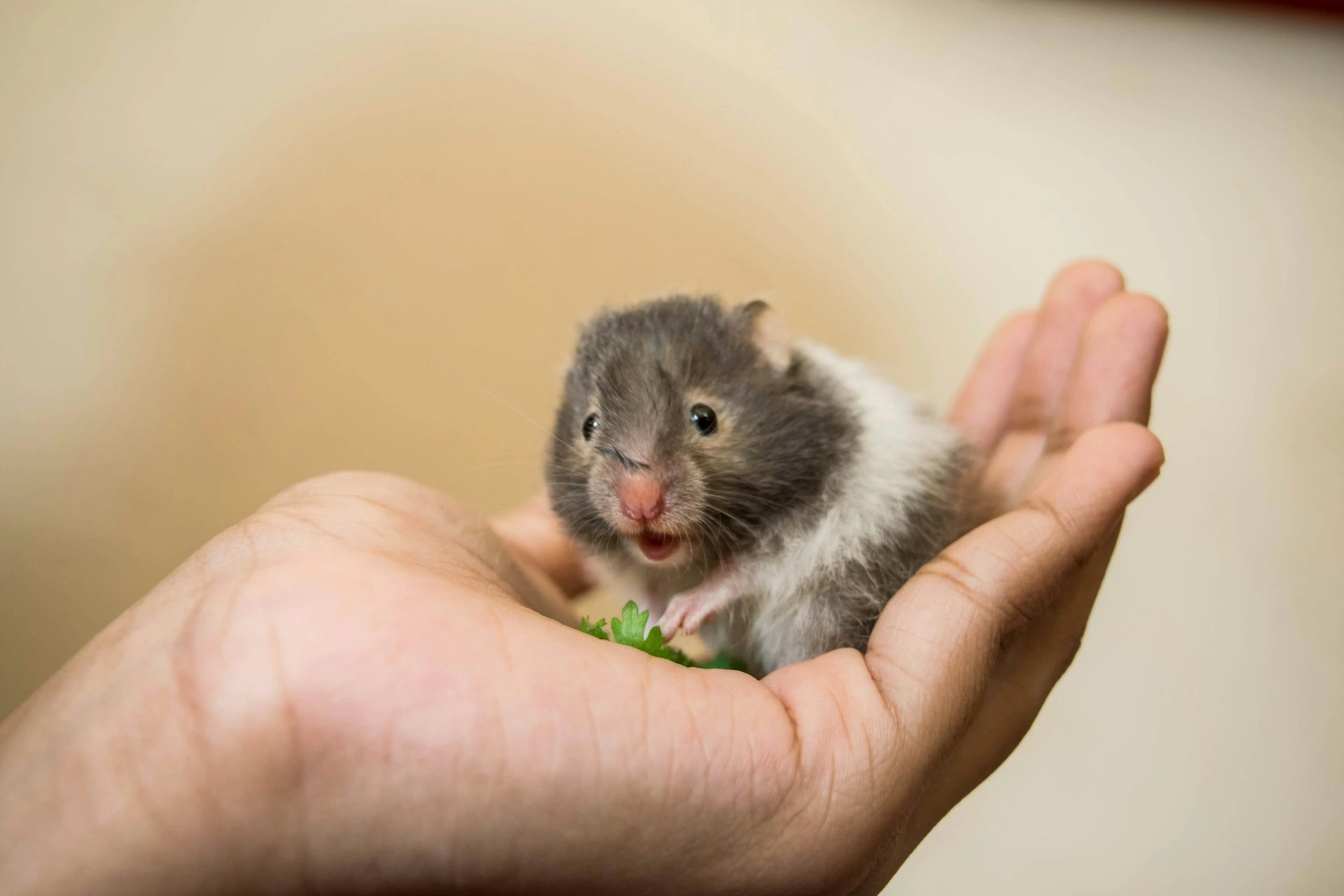
Hamsters may be tiny, but they sure know how to pack a lot of personality into those little furry bodies! Whether your hamster is busy cramming snacks into their cheeks (seriously, where does it all go?), zooming through tunnels, or running like they’re training for the Hamster Olympics, these little guys are full of surprises and fun. Here at Live Oak Veterinary Hospital, your premier Carteret County, NC, veterinary hospital, we love helping families learn the ins and outs of caring for all sorts of pets, including hamsters and their small-mammal buddies. With the right care, your pint-sized pal can enjoy a long, happy, and healthy life.
Many people assume hamsters are simple starter pets, but these little furballs have some unique needs when it comes to their home, diet, and daily fun. Giving your new buddy the right habitat, a balanced diet, and a few first-time hamster owner tricks can make all the difference. Whether you’ve just welcomed a hamster into your family or you’re still doing your homework, these tips will help you and your pocket pet start on the right paw.
Understanding Hamsters as Pets
Hamsters are naturally curious and active animals.
In the wild, they spend much of their time exploring burrows, searching for food, and navigating complex underground tunnel systems. Domestic hamsters retain many of these instincts.
Understanding these behaviors helps explain why enrichment, exercise, and appropriate housing are so important.
Hamsters enjoy opportunities to dig, hide, forage, and investigate their surroundings. Providing an environment that encourages these activities helps support both physical and mental well-being.
A happy hamster is often an active hamster with opportunities to express natural behaviors.
Choosing the Right Hamster Habitat Setup
One of the most important hamster care tips involves creating an appropriate living environment.
Your hamster’s enclosure serves as their entire world. A thoughtfully designed habitat allows them to exercise, rest, explore, and feel secure.
A quality hamster habitat setup should provide:
- Adequate floor space
- Proper ventilation
- Deep bedding
- Exercise opportunities
- Hiding areas
- Access to food and water
It’s easy to underestimate just how much room a hamster really needs. Bigger enclosures give your little explorer more space to run, dig, and generally live their best hamster life.
Giving your hamster plenty of space to stretch those tiny legs is a big step toward keeping them happy and healthy.
Bedding Matters More Than Many People Realize
Hamsters are natural burrowers.
In their native environments, they create extensive tunnel systems beneath the ground. Providing sufficient bedding allows your furry friend to engage in these instinctive behaviors.
Deep bedding supports:
- Burrowing
- Nest building
- Exploration
- Temperature regulation
- Stress reduction
Watching your hamster dig tunnels and build cozy sleeping spots is not only adorable, but it’s also great enrichment for them.
Regular cleaning is important, but try not to swap out all the bedding too often. Hamsters rely on familiar scents to feel safe and at home.
Provide Safe Places to Hide
Hamsters are prey animals by nature.
That’s why your hamster will naturally look for cozy spots to hide when they’re feeling unsure or just need a nap. Having hideouts helps them relax and feel secure.
Your hamster habitat setup should include multiple hideouts and sheltered areas.
Examples may include:
- Small houses
- Tunnels
- Covered sleeping areas
- Natural-looking shelters
A hamster who feels safe is much more likely to come out and show off their playful side when they’re awake.
Providing options allows your pocket-sized companion to choose where they feel most comfortable.
Follow a Balanced Hamster Nutrition Guide
Nutrition plays a vital role in hamster health.
A balanced hamster nutrition guide focuses on providing appropriate food sources that support growth, energy, and overall wellness.
Hamsters are omnivores, meaning they consume both plant and animal-based foods in the wild. Their nutritional needs are more diverse than many people realize.
Make sure your hamster always has fresh water to sip on.
Maintaining a consistent feeding routine and providing appropriate nutrition helps support healthy body condition and digestive function.
If you’re ever unsure about what to feed your hamster, your veterinarian can help with advice tailored to your furry friend.
Understanding Food Hoarding Behavior
Many first-time owners become concerned when they notice their hamster storing food.
Don’t worry. This is totally normal hamster behavior.
Hamsters have cheek pouches that allow them to transport food and create hidden storage areas within their habitat. In the wild, food hoarding helps them prepare for periods when resources may be scarce.
Your furry little friend may collect food and hide it in sleeping areas, tunnels, or designated storage locations.
It’s just your hamster following their instincts, not a sign of trouble.
Monitoring food stores periodically helps prevent spoilage while still allowing your hamster to engage in normal behaviors.
Exercise Is Essential for Hamster Health
Even though they’re tiny, hamsters need plenty of exercise to stay healthy.
In natural environments, hamsters may travel surprisingly long distances while searching for food and exploring their surroundings.
Exercise helps support:
- Healthy weight management
- Muscle development
- Cardiovascular health
- Mental stimulation
- Behavioral wellness
An appropriately sized exercise wheel is often a key component of hamster enrichment.
Providing opportunities for movement helps prevent boredom and encourages natural activity patterns.
Hamsters who stay active tend to be healthier and happier overall.
Enrichment Helps Prevent Boredom
Mental stimulation is an important part of pocket pet care tips.
A bored hamster may become less active, develop repetitive behaviors, or show reduced interest in their environment.
Enrichment opportunities can include:
- Tunnels
- Climbing structures
- Foraging activities
- Safe chew items
- Rotating toys
- Exploration opportunities
Switching up toys and enrichment items every so often keeps things interesting for your little pal.
Simple adjustments to the environment can create exciting new experiences for your tiny companion.
A little variety goes a long way in encouraging your hamster to explore and stay emotionally healthy.
Hamsters Are Primarily Nocturnal
Many new owners are surprised to learn that hamsters are most active at night.
Hamsters typically spend much of the day sleeping and become more energetic in the evening and at night.
Try to respect your hamster’s natural schedule whenever you can.
Waking up a sleeping hamster can stress them out and make them more likely to act defensively.
Instead, allow your hamster to emerge naturally when they are ready to explore.
Understanding their activity patterns helps create more positive interactions.
Handling Your Hamster Safely
Building trust with your hamster takes a bit of patience.
Some hamsters become comfortable with handling quickly, while others require a more gradual approach. Patience is one of the most valuable pieces of first-time hamster owner advice.
When interacting with your hamster:
- Move slowly
- Allow them to approach voluntarily
- Support the body gently
- Avoid sudden movements
- Keep sessions short initially
Positive experiences help strengthen trust and reduce stress.
If you rush things, your hamster might get a bit nervous.
Gentle, consistent handling is usually the best way to build a bond with your little friend.
Watch for Signs of Illness
Because hamsters are prey animals, they often hide signs of illness.
Subtle changes can provide important clues that something may be wrong.
Potential warning signs include:
- Reduced appetite
- Weight loss
- Lethargy
- Changes in activity level
- Difficulty breathing
- Discharge from the eyes or nose
- Changes in stool production
Getting your hamster checked by a vet right away can help catch any issues before they get serious.
Paying attention to daily habits can help you notice changes early.
Dental Health Is Important for Hamsters
Hamster teeth grow continuously throughout life.
Chewing helps wear down the teeth naturally and supports proper dental function. Without adequate chewing opportunities, dental problems may develop.
Providing safe chew items allows your hamster to engage in natural behaviors while supporting oral health.
Signs of dental concerns may include:
- Difficulty eating
- Weight loss
- Drooling
- Reduced activity
By keeping an eye on your hamster’s teeth and eating habits, you can catch any dental problems before they become a bigger issue.
Healthy teeth are essential for proper nutrition and comfort.
Why Veterinary Care Matters for Pocket Pets
A lot of hamster owners don’t realize that regular vet visits are just as important for small mammals as they are for dogs and cats.
Wellness visits give your vet a chance to check your hamster’s health, chat about care routines, and answer any questions you might have about nutrition, behavior, or housing.
Preventive care supports long-term wellness.
A vet check-up can spot little issues you might not notice at home.
Partnering with an experienced veterinarian helps provide the best possible care for your pocket pet.
Common Mistakes First-Time Hamster Owners Make
Learning from common mistakes can help improve your hamster’s quality of life.
Some of the most frequent issues include:
- Enclosures that are too small
- Insufficient bedding depth
- Limited enrichment opportunities
- Improper nutrition
- Inadequate exercise
- Handling too aggressively
Fortunately, most husbandry concerns can be corrected once identified.
Keeping up with hamster care tips is a great way to help your little companion stay healthy and happy.
Oxbow Animal Health wrote about the best toys for hamsters and gerbils. PetMD has a helpful article on hamster cages.
Frequently Asked Questions
What are the most important hamster care tips for beginners?
Providing a spacious enclosure, deep bedding, proper nutrition, exercise opportunities, enrichment, and routine veterinary care are among the most important aspects of hamster care.
What should a hamster habitat setup include?
A hamster habitat setup should include adequate space, bedding for burrowing, hiding areas, fresh water, enrichment items, and opportunities for exercise.
What does a healthy hamster nutrition guide look like?
A balanced hamster nutrition guide includes appropriate foods, fresh water, and dietary recommendations tailored to your hamster’s age, species, and health status.
Are hamsters good pets for first-time owners?
Hamsters can make wonderful pets when owners understand their specific care requirements and commit to providing appropriate housing, nutrition, and enrichment.
How often should hamsters visit the veterinarian?
Routine wellness examinations and prompt evaluations for illness help support long-term health and allow potential concerns to be identified early.
Schedule an Appointment at Our Carteret County, NC Veterinary Clinic
Following these hamster care tips can help your tiny companion enjoy a healthier and more enriching life. Whether you have questions about hamster habitat setup, need guidance from a hamster nutrition guide, or are looking for reliable first-time hamster owner advice, our team is here to help. At Live Oak Veterinary Hospital, your Carteret County, NC animal hospital, we are proud to care for hamsters and other small mammals. If you have been searching for a trusted vet near me, contact our veterinary clinic today to schedule an appointment and discuss your pocket pet’s healthcare needs.
This blog is intended for informational purposes only. Always consult your veterinarian for individualized medical advice, diagnosis, and treatment recommendations for your pet, and follow the healthcare guidance provided for your companion’s specific needs.
If you are looking for a great veterinary clinic in Carteret County, NC, you’ve found us! If you would like to learn more about us, our Service page is a great place to start. We offer top-notch veterinary care across many areas, including Wellness and Vaccinations, Boarding, Urgent Care, and more. Contact us anytime!

Common Summer Skin Problems in Carteret County, NC Pets

Is Boarding Right for Your Pet During Vacation Travel?

Senior Dog and Cat Care Tips for Carteret County Families

Why Is My Senior Cat Sleeping More Than Usual?

Hurricane Season Pet Preparedness for Carteret County, NC

How Phovia Light Therapy Supports Skin Healing in Pets
Hamster Care Tips for First-Time Pocket Pet Owners

Why Does My Dog Eat Grass During Walks?

What to Expect When Your Pet Is Spayed or Neutered