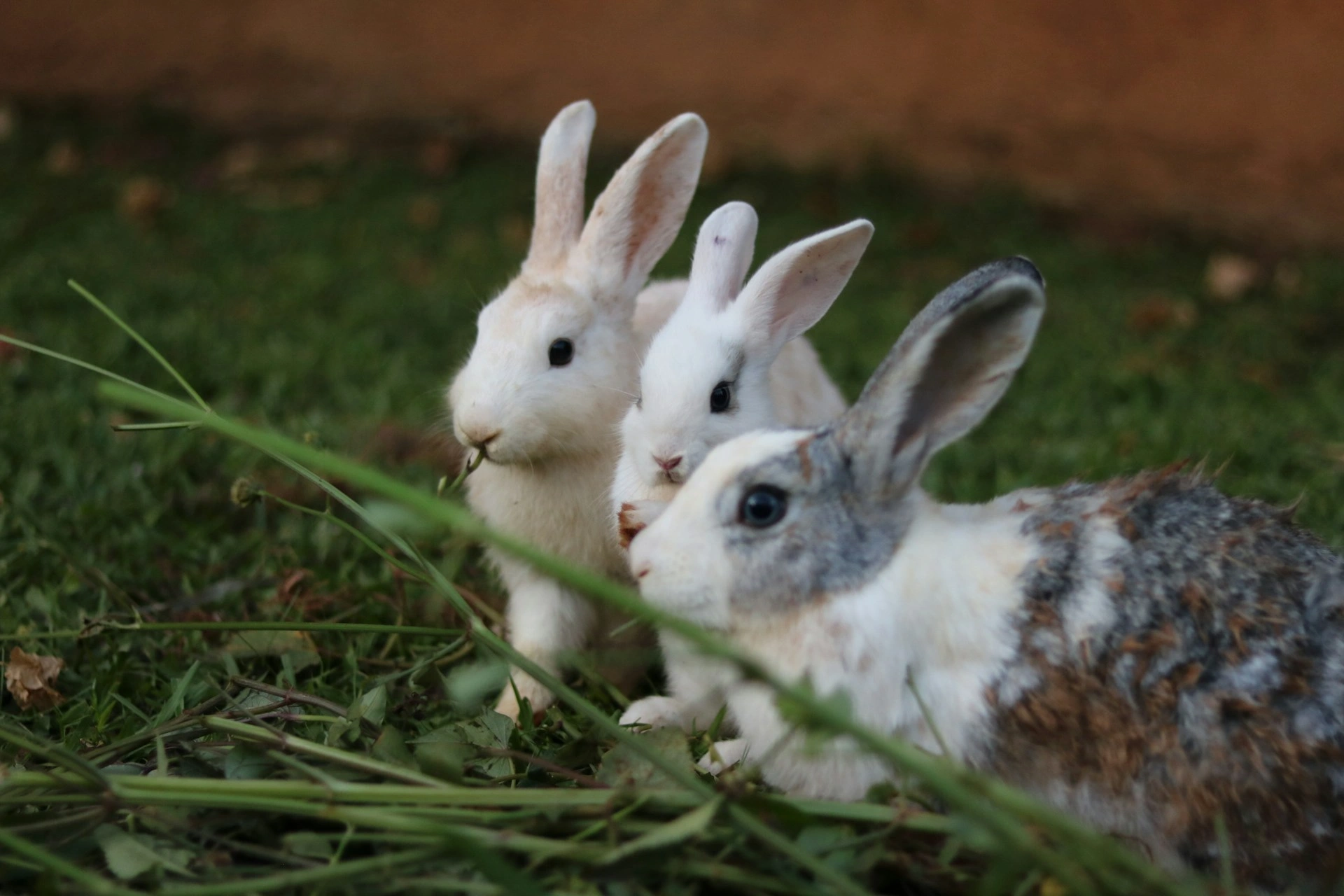

Bunny Care Tips Every Rabbit Owner Should Know

Those long ears, twitching noses, and playful hops make rabbits wonderful companions, but caring for a bunny involves much more than many people realize. Rabbits are intelligent, social animals with unique healthcare, dietary, and environmental needs. At Live Oak Veterinary Hospital, your Carteret County, NC veterinary clinic, we enjoy helping families provide excellent care for their rabbit companions. Following proper bunny care tips can help your furry friend enjoy a healthier, happier life while strengthening the bond you share.
If you’re new to bunny parenthood, you might be surprised at just how specialized rabbit care can be. From what goes in their food bowl to where they snooze, every detail matters for your long-eared pal’s well-being. Learning the basics—like what to feed, how to set up their home, and ways to keep them entertained—will help your bunny thrive and keep those happy hops coming.
Rabbits Are More Than Small Cage Pets
One of the biggest things to remember? Rabbits aren’t just small, quiet pets. They have their own unique personalities and needs, both physical and emotional, that set them apart from other animals.
In the wild, rabbits spend much of their day exploring, foraging, digging, and interacting with other rabbits. These natural behaviors do not disappear simply because a rabbit lives indoors.
Your bunny needs plenty of chances to move around, use their brain, and spend time with you. Without enough fun and enrichment, rabbits can get bored or stressed, and that’s when you might see some less-than-cute behaviors pop up.
So, think of your rabbit as an active little roommate, not just a cute decoration. This mindset will help you make the best choices for their care, every step of the way.
Provide a Safe and Spacious Living Environment
Where your bunny lives makes a huge difference for their health and happiness.
A lot of folks think rabbits are fine in small cages, but bunnies actually need space to stand up tall, stretch out, hop, and do all their natural bunny things.
A roomy enclosure gives your bunny a safe home base, but they’ll also love some supervised playtime outside their main space.
When creating your rabbit’s environment, consider:
- Space for movement
- Comfortable bedding
- Access to fresh water
- Safe hiding places
- Areas for enrichment
- Protection from household hazards
Giving your bunny more room to roam helps keep both their body and their bunny spirit in tip-top shape.
Bunny Care Tips Start With Proper Nutrition
Nutrition is one of the most important aspects of rabbit health care.
Rabbits are built to munch on lots of fiber. Without the right diet, they can run into some pretty serious health issues.
A lot of the health problems we see in bunnies are linked to what they eat.
Feeding your bunny the right foods helps keep their tummy, teeth, and whole body in good shape.
Good nutrition is one of the most effective ways to support long-term health and quality of life.
Follow Sound Rabbit Diet Recommendations
A healthy bunny diet is all about fiber, fiber, and more fiber.
High-quality grass hay should be the main event in your bunny’s daily menu. Hay keeps their digestion moving and gives those ever-growing teeth something to work on.
Fresh leafy greens are a great way to add some variety and extra nutrients. Just make sure to stick with things that are safe. Ask your vet for more information.
Fresh water should always be available and easily accessible.
Every bunny is a little different, so that diet recommendations can change based on age, health, and personality. Your vet can help you figure out the best menu for your furry friend.
Keeping your bunny’s diet consistent is a simple way to help their digestion stay on track.
Dental Health Is Essential for Rabbits
Did you know your bunny’s teeth never stop growing?
Wild rabbits keep their teeth in check by chewing all day long. Our pet bunnies need plenty of safe things to gnaw on, too, to keep those chompers healthy.
If they don’t get enough to chew, dental problems can sneak up on them.
Signs of dental concerns may include:
- Difficulty eating
- Weight loss
- Excessive drooling
- Changes in appetite
- Reduced grooming
- Facial swelling
Dental disease can really put a damper on your bunny’s quality of life, so regular vet checkups are a must.
Make sure your bunny has plenty of safe things to chew on to keep those teeth in tip-top shape.
Exercise Supports Physical and Mental Wellness
Rabbits are active animals.
Daily opportunities to move, explore, and exercise help support healthy muscles, joints, and cardiovascular function. Exercise also provides important mental stimulation.
A bunny cooped up in a small space all day can get frustrated or start acting out.
Letting your bunny explore safe areas under your watch lets them hop, investigate, and play just like they would in the wild.
Regular activity contributes significantly to pet rabbit wellness.
Just like dogs and cats, rabbits benefit from staying physically active.
Learn to Recognize Signs of Illness
Remember, rabbits are prey animals.
That means they’re experts at hiding when they don’t feel well. By the time you notice something’s off, your bunny might already be dealing with a bigger health problem.
Pay close attention to changes involving:
- Appetite
- Water consumption
- Activity level
- Stool production
- Breathing
- Weight
- Behavior
Even subtle changes can be meaningful.
Prompt veterinary attention often allows health concerns to be addressed earlier, improving outcomes and supporting recovery.
Understanding Rabbit Digestive Health
A rabbit’s digestive system is the heart of their health.
Unlike dogs and cats, bunnies need a steady stream of fiber moving through their system. If things slow down, it can get serious fast.
Signs of digestive concerns may include:
- Reduced appetite
- Smaller stool production
- Lethargy
- Hiding
- Decreased activity
Digestive issues can go from zero to sixty in no time, so don’t wait to call your vet if you’re worried.
Proper diet, hydration, and exercise all contribute to digestive wellness.
Social Interaction Matters
Rabbits are often highly social animals.
Many bunnies love hanging out with their human families and really benefit from regular, positive attention. Some even enjoy having a bunny buddy, as long as introductions go smoothly.
Building trust with your bunny takes a little patience.
Let your bunny come to you when they’re ready, and go at their pace. Gentle handling and lots of positive experiences will help your bond grow. Social enrichment contributes to emotional well-being and overall quality of life.
Your furry friend benefits from feeling secure and connected.
Create Opportunities for Enrichment
Mental stimulation is an important part of caring for pet rabbits.
Rabbits are smart and curious, and they love exploring new places or figuring out little puzzles. Enrichment helps them act like their natural bunny selves and keeps boredom at bay.
Examples of enrichment include:
- Foraging activities
- Safe chew items
- Cardboard tunnels
- Digging opportunities
- Puzzle feeders
- Rotating toys
Switching up toys and activities now and then keeps things fresh and exciting for your bunny.
Providing opportunities for exploration supports both mental and physical wellness.
Rabbit-Proof Your Home
Rabbits explore the world with their mouths.
Electrical cords, houseplants, furniture. Almost anything can catch a curious bunny’s eye (and teeth). Bunny-proofing your home helps keep them safe from accidents and tummy troubles.
Before letting your bunny out for playtime, give the area a good once-over for hazards.
Common hazards include:
- Electrical cords
- Toxic plants
- Small objects
- Cleaning products
- Medications
A safe home means your bunny can explore more freely, and you can relax knowing they’re protected.
Grooming Is Part of Preventive Care
Bunnies are usually pretty good at keeping themselves tidy, but they still need a little help from you now and then.
Brushing helps reduce loose fur, especially when your bunny is shedding. If you have a long-haired breed, they’ll need a bit more grooming TLC.
Routine grooming sessions also provide opportunities to check for:
- Skin issues
- Parasites
- Nail concerns
- Weight changes
- Lumps or bumps
Catching these things early can make a big difference for your bunny’s health.
Preventive care often begins with simple daily observations.
Why Routine Veterinary Visits Matter
A lot of bunny parents only call the vet when something’s wrong.
But regular wellness visits help us catch small issues before they become big problems. Routine checkups let your vet look at everything from body condition and teeth to diet and behavior.
Being proactive is the best way to keep your bunny healthy.
Wellness visits are also a great time to ask your vet any questions about food, housing, toys, or anything else bunny-related.
A little preventive care now can mean a much healthier, happier bunny down the road.
The Animal Humane Society has a good blog on rabbit adoption. Best Friends has an article on bunny body language.
Frequently Asked Questions
What are the most important bunny care tips for new owners?
The biggies: good food, plenty of space, daily playtime, regular vet visits, and lots of fun things to do.
What should a healthy rabbit diet include?
Most bunnies do best with lots of high-fiber hay, fresh water, and a few extras based on their age and health.
How often should rabbits see a veterinarian?
Regular checkups help us spot problems early. Your vet can help you figure out how often your bunny should come in.
How can I support pet rabbit wellness at home?
Good food, exercise, mental fun, preventive care, and a safe home all add up to a happy, healthy bunny.
What signs indicate a rabbit may be sick?
If you notice changes in your bunny’s appetite, energy, bathroom habits, behavior, or weight, it’s time to check in with your vet.
Schedule an Appointment at Our Carteret County, NC Veterinary Clinic
Following these bunny care tips can help support a healthier and more enriching life for your rabbit companion. Whether you have questions about rabbit health care, need guidance on rabbit diet recommendations, or want to learn more about caring for pet rabbits, our team is here to help. At Live Oak Veterinary Hospital, your Carteret County, NC animal hospital, we are proud to care for rabbits and other exotic pets. If you have been searching for a trusted vet near me, contact our veterinary clinic today to schedule an appointment and discuss your bunny’s healthcare needs.
This blog is intended for educational purposes only. Always consult your veterinarian for individualized medical advice, diagnosis, and treatment recommendations for your pet, and follow the healthcare guidance provided for your companion’s specific needs.
If you are searching for a great animal hospital in Carteret County, NC, you’ve found us! If you would like to learn more about us, our Service page is a great place to start. We offer top-notch veterinary care across many areas, including Wellness and Vaccinations, Boarding, Urgent Care, and more. Contact us anytime!

Common Summer Skin Problems in Carteret County, NC Pets

Is Boarding Right for Your Pet During Vacation Travel?

Senior Dog and Cat Care Tips for Carteret County Families
Why Is My Senior Cat Sleeping More Than Usual?

Hurricane Season Pet Preparedness for Carteret County, NC

How Phovia Light Therapy Supports Skin Healing in Pets
Hamster Care Tips for First-Time Pocket Pet Owners

Why Does My Dog Eat Grass During Walks?
What to Expect When Your Pet Is Spayed or Neutered