
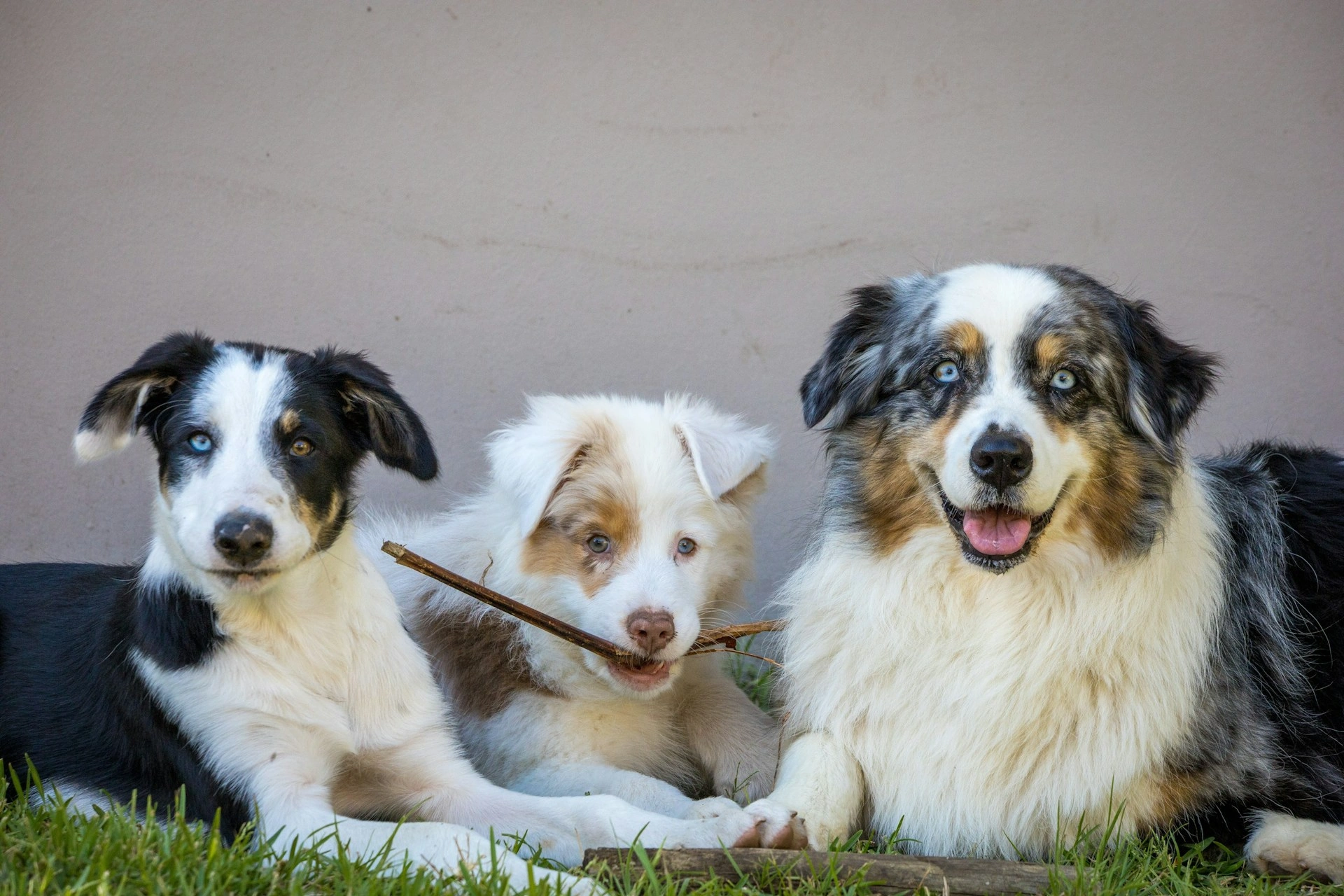
Why Does My Dog Eat Grass During Walks?

You are enjoying a pleasant walk with your canine companion when suddenly they stop, lower their head, and begin munching on a patch of grass. If this sounds familiar, you are not alone. Many dog owners have wondered why dogs eat grass and whether this behavior is normal. At Live Oak Veterinary Hospital, your Carteret County, NC, veterinary clinic, questions about dogs eating grass are surprisingly common. While seeing your pup snack on the lawn may seem odd, it is often a perfectly reasonable behavior.
Dogs have a wide range of habits that can leave owners scratching their heads. Some behaviors are completely harmless, while others may signal an underlying concern. Understanding canine digestive habits, recognizing unusual dog behaviors, and considering factors related to dog health and nutrition can help you determine whether your furry friend is simply exploring their environment or may benefit from veterinary attention.
Is It Normal for Dogs to Eat Grass?
The short answer is yes.
Lots of dogs nibble on grass now and then, and most of the time, it’s nothing to worry about. In fact, studies show that this is a pretty common habit among healthy pups.
Big dogs, little dogs, young pups, and wise old seniors. They all might decide to take a bite of grass here and there. Some just take a quick taste, while others act like they’re on a mission to sample every blade in the yard.
While it might look a little strange to us, grass eating is actually one of the most common ‘weird dog things’ we see as vets.
The real trick is figuring out when it’s just normal dog stuff and when it might be a sign that something else is going on.
Dogs Are Naturally Curious Explorers
Sometimes, dogs eat grass just because they’re curious. (Let’s face it, they’re basically furry toddlers with four legs!)
Dogs explore the world through their noses and mouths. While humans primarily use vision to gather information, dogs rely heavily on scent and taste.
On walks, your pup is bombarded with new smells, sights, and textures. Grass might just be another interesting thing to check out, kind of like a doggy salad bar.
Young dogs and puppies, in particular, often investigate objects by tasting them.
So, in most cases, munching on grass is just part of your dog’s natural curiosity, not a sign that they’re feeling under the weather.
Some Dogs Enjoy the Texture
Sometimes, the answer is as simple as this: some dogs just like the way grass feels or tastes.
Just like we have our favorite snacks, some dogs seem to enjoy the taste or texture of fresh grass. Who knew your lawn could be so gourmet?
Many pet parents notice their dogs are picky about which grass they eat. Many prefer the soft, tender spring shoots and turn their noses up at the tough stuff. Gourmet tastes, indeed!
This pickiness suggests that taste and texture likely play a big role in why dogs go for certain patches.
If your dog only nibbles grass once in a while and seems perfectly happy otherwise, chances are they just enjoy it.
Grass Eating May Be Linked to Natural Canine Digestive Habits
Dogs’ digestive systems have been evolving for thousands of years, long before kibble was even a thing.
Wild dogs and their cousins eat all sorts of things that our pampered pets might turn their noses up at. While dogs aren’t vegetarians, they’re definitely not picky eaters in the wild!
Researchers believe that occasional plant consumption may represent a normal component of canine behavior.
Grass can give dogs a little extra fiber and plant material, which some pups might naturally crave.
That doesn’t mean your dog’s diet is missing anything. It’s more likely just an old habit passed down from their wild ancestors.
Does Eating Grass Mean My Dog Has an Upset Stomach?
This is probably the most popular theory out there about why dogs eat grass.
Many people assume dogs eat grass specifically to induce vomiting when they feel sick. While some dogs do vomit after eating grass, research suggests that this is not always the primary reason for the behavior.
In fact, many dogs that eat grass show no signs of illness beforehand and do not vomit afterward.
That said, some dogs might go for grass if their tummy feels a little off.
The important distinction is that grass eating alone does not automatically indicate an upset stomach.
Additional symptoms provide more useful clues about digestive health.
When Vomiting May Be a Concern
If your dog throws up once in a while after eating grass, it’s usually nothing to panic about.
However, repeated vomiting or signs of illness should not be ignored.
Contact your veterinarian if grass eating is accompanied by:
- Frequent vomiting
- Diarrhea
- Appetite changes
- Weight loss
- Lethargy
- Abdominal discomfort
- Behavioral changes
These signs could mean there’s something more serious going on, not just a quirky habit.
When we’re figuring out why a dog is eating grass, we look at the whole picture, not just the grass-munching.
Could Diet Play a Role?
Dog health and nutrition influence many aspects of behavior.
Some experts think that diet might play a role, especially if your dog is looking for a little extra fiber. Sometimes, that’s enough to make the grass look pretty tempting.
Feeding your pup a balanced diet that fits their age, lifestyle, and health is one of the best ways to keep them feeling their best.
If your dog suddenly starts eating a lot more grass than usual, it’s a good idea to chat with your vet about their diet.
Nutrition isn’t usually the whole story, but it can be part of the puzzle.
Boredom May Contribute to Grass Eating
Dogs need to exercise their bodies and their brains.
A dog who feels bored during walks may look for ways to entertain themselves. Investigating plants, sniffing extensively, and occasionally eating grass may simply provide additional enrichment.
This is especially true for those super-smart breeds who always seem to be looking for their next adventure.
Providing opportunities for exercise, training, scent work, and interactive play can help satisfy your dog’s natural curiosity.
A lot of those odd doggy habits tend to fade when your pup gets enough exercise and mental challenges.
Stress and Anxiety Can Influence Behavior
Just as people sometimes engage in repetitive behaviors during stressful situations, dogs may display unusual habits when feeling anxious.
For some dogs, grass eating may serve as a displacement behavior during periods of uncertainty or stress.
Potential stressors may include:
- Environmental changes
- New routines
- Household disruptions
- Social challenges
- Unfamiliar situations
Observing when grass eating occurs can provide useful clues.
If the behavior appears linked to specific situations, emotional factors may be contributing to the habit.
Why Puppies Often Eat Grass
Puppies explore everything.
From sticks and leaves to shoes and furniture, young dogs enthusiastically investigate their surroundings. Grass often becomes part of that exploration process.
Most puppies eventually learn what is and is not worth chewing as they mature.
It’s still important to keep an eye on them, since puppies aren’t always the best judges of what’s safe to eat.
While a little grass isn’t usually a big deal, keeping watch helps make sure your puppy doesn’t accidentally snack on something harmful outside.
Potential Risks Associated With Grass Eating
Although grass consumption is often harmless, certain risks deserve consideration.
The biggest worry isn’t the grass itself, but what might be lurking on it.
Potential hazards include:
- Pesticides
- Herbicides
- Fertilizers
- Environmental contaminants
- Parasites
- Toxic plants growing nearby
Allowing your dog to graze in unknown areas may increase exposure to these risks.
Picking safe spots for walks and keeping an eye on your pup can help keep them out of trouble.
When Grass Eating Becomes Excessive
Frequency matters.
An occasional bite of grass during a walk is very different from a dog who obsessively consumes large amounts regularly.
If your dog is eating grass all the time—especially if you notice other symptoms—it’s time for a closer look.
Behavior changes often provide important information about overall health.
If your pup suddenly gets really interested in eating grass or other non-food things, it’s a good idea to talk to your vet.
Significant changes in habits often deserve closer attention.
How Veterinarians Evaluate Grass Eating Behavior
When we’re trying to figure out why a dog is eating grass, we look at lots of different things.
Your veterinarian may discuss:
- Diet
- Medical history
- Frequency of grass consumption
- Vomiting history
- Stool quality
- Activity level
- Environmental factors
- Behavioral changes
A physical examination and diagnostic testing may be recommended depending on your dog’s symptoms.
The goal is to determine whether the behavior represents a normal habit or reflects an underlying health concern.
Most cases are relatively straightforward, but individualized evaluation remains important.
Supporting Healthy Dog Health and Nutrition
Maintaining overall wellness is one of the best ways to support healthy behavior.
Regular vet visits help us keep an eye on your dog’s health, discuss nutrition, and catch any issues before they become bigger problems.
Providing:
- Balanced nutrition
- Regular exercise
- Mental enrichment
- Preventive healthcare
- Consistent routines
All of these things help keep your dog happy and healthy, inside and out.
Healthy pups are less likely to develop worrisome habits and are set up to thrive for years to come.
Hill’s Pet covers dogs eating grass on their site. The AKC offers some options for a dog-friendly grassless yard here.
Frequently Asked Questions
Why do dogs eat grass during walks?
Dogs may eat grass because of curiosity, taste preferences, natural canine digestive habits, boredom, environmental exploration, or other behavioral factors.
Is dog eating grass behavior normal?
Yes. Occasional grass consumption is relatively common among healthy dogs and is generally considered normal behavior.
Does eating grass mean my dog is sick?
Not necessarily. Most dogs that eat grass are not ill. However, vomiting, diarrhea, lethargy, or other symptoms accompanying the behavior should be evaluated by a veterinarian.
Can grass eating be related to dog health and nutrition?
In some cases, dietary factors may contribute to grass consumption, although the behavior often occurs in healthy dogs receiving balanced nutrition.
When should I contact my veterinarian about grass eating?
You should contact your veterinarian if grass-eating becomes excessive, occurs suddenly, or is accompanied by vomiting, weight loss, changes in appetite, or other signs of illness.
Schedule an Appointment at Our Carteret County, NC Veterinary Clinic
While dog eating grass behavior is often harmless, sudden changes in canine digestive habits or other unusual dog behaviors may warrant a closer look. At Live Oak Veterinary Hospital, your Carteret County, NC, animal hospital, our team can help evaluate concerns about your dog’s health, nutrition, behavior, and overall well-being. If you have been searching for a trusted vet near you, contact our veterinary clinic today to schedule an appointment and discuss any questions you have about your canine companion’s habits.
This blog is intended for informational purposes only. Always consult your veterinarian for personalized medical advice, diagnosis, and treatment recommendations for your pet, and follow their professional guidance regarding your companion’s healthcare needs.
If you are searching for a great animal hospital in Carteret County, NC, you’ve found us! If you would like to learn more about us, our Service page is a great place to start. We offer Wellness and Vaccinations, Dentistry, Boarding, Urgent Care, and more. Contact us today!
Common Summer Skin Problems in Carteret County, NC Pets

Is Boarding Right for Your Pet During Vacation Travel?

Senior Dog and Cat Care Tips for Carteret County Families

Why Is My Senior Cat Sleeping More Than Usual?

Hurricane Season Pet Preparedness for Carteret County, NC

How Phovia Light Therapy Supports Skin Healing in Pets
Hamster Care Tips for First-Time Pocket Pet Owners
Why Does My Dog Eat Grass During Walks?

What to Expect When Your Pet Is Spayed or Neutered