

Hurricane Season Pet Preparedness for Carteret County, NC

Life on the gorgeous North Carolina coast has plenty of perks, but it does mean we have to keep one eye on hurricane season every year. While most folks are busy boarding up windows and double-checking their supply lists, our four-legged (and sometimes feathered or scaled) family members can get left out of the emergency planning. Here at Live Oak Veterinary Hospital, your premier veterinary hospital in Carteret County, NC, we want to make sure your pets are just as ready for storm season as the rest of the family. A little bit of planning now can go a long way toward helping you keep your furry pals safe if a hurricane heads our way.
Hurricanes can pop up faster than a dog chasing a squirrel, and they can make life tricky for both people and pets. Having a plan in place, whether it’s for your dog, cat, rabbit, or even your bearded dragon, means you’ll be ready to roll if a storm comes knocking. From making a pet evacuation checklist to practicing your emergency routine, a little preparation now can help everyone in your household (furry, scaly, or otherwise) stay safe and calm when the weather gets wild.
Why Hurricane Pet Preparedness Matters
Our pets count on us for everything, especially when things get a little hairy, like during a hurricane.
Unlike people, animals cannot understand evacuation instructions, weather alerts, or emergency broadcasts. They rely on you to make decisions that keep them safe.
Natural disasters can create numerous challenges for pets, including:
- Disrupted routines
- Evacuations
- Transportation difficulties
- Limited access to supplies
- Stress and anxiety
- Temporary housing concerns
Planning allows you to focus on protecting your family rather than scrambling to gather necessities as a storm approaches.
Preparation often reduces confusion and supports better decision-making in stressful situations.
Start Planning Before Hurricane Season Begins
The best time to get your pet ready for hurricane season is before there’s even a cloud in the sky.
If you wait until the evacuation orders come out, you’ll have fewer options and a lot more stress. Trust me, planning is much easier on everyone, including your pets.
Review your plans at the start of each hurricane season and update them as needed.
Consider:
- Current veterinary records
- Identification information
- Emergency contacts
- Evacuation destinations
- Supply inventories
A few small steps now can save you a ton of time (and worry) later on.
Preparedness is much easier when decisions are made before an emergency develops.
Create a Pet Emergency Kit
Every pet should have their own grab-and-go emergency kit, just like the rest of the family.
Think of it as a travel-sized version of your pet’s daily must-haves. Keeping everything in one spot means you can grab it fast if you need to head out in a hurry.
A basic emergency planning for pets kit may include:
- Food
- Fresh water
- Bowls
- Medications
- Leashes
- Harnesses
- Carriers
- Waste disposal supplies
- Comfort items
- Copies of veterinary records
Give your kit a quick check every so often to swap out expired food or meds and make sure all your info is up to date.
Having a dedicated emergency kit means less last-minute scrambling and more peace of mind.
Keep Identification Current
Making sure your pet has up-to-date ID is absolutely crucial during a disaster.
Even the calmest, best-behaved pets can get spooked during storms or evacuations. Fear can make them bolt, hide, or get separated from you.
Important identification measures include:
- Current identification tags
- Updated contact information
- Microchip registration
- Recent photographs
Having recent photos of your pet can be a lifesaver if they ever get lost.
Snap a few clear pictures from different angles so you’ve got all their best sides covered.
Up-to-date ID gives you the best shot at a happy reunion if your pet goes missing.
Plan Your Evacuation Strategy Early
One of the most important aspects of hurricane safety for dogs and cats is knowing where you will go if evacuation becomes necessary.
Don’t assume every shelter or hotel will welcome your furry friend. Some places have strict no-pet policies.
Research pet-friendly options before hurricane season begins. Potential destinations may include:
- Pet-friendly hotels
- Friends or relatives
- Boarding facilities
- Emergency shelters that accommodate pets
Keep a written list of your options handy, just in case.
If one place falls through, having a backup plan can be a real lifesaver.
Planning helps reduce uncertainty during rapidly changing situations.
Practice Using Carriers and Travel Equipment
Let’s be honest. Most pets only see their carrier when it’s time for a vet visit.
If your pet thinks the carrier means a trip to the vet, evacuating will be even more stressful for everyone.
Help your furry pal get comfy with their carrier before you ever need it in an emergency.
Leave the carrier out at home and make it a happy place with treats, toys, and cozy bedding.
Take your pet on short car rides now and then so travel feels less scary and more routine.
These little practice runs can make a big difference if you ever need to evacuate for real.
Include All Species in Your Emergency Plans
Dogs and cats are not the only pets affected by hurricanes.
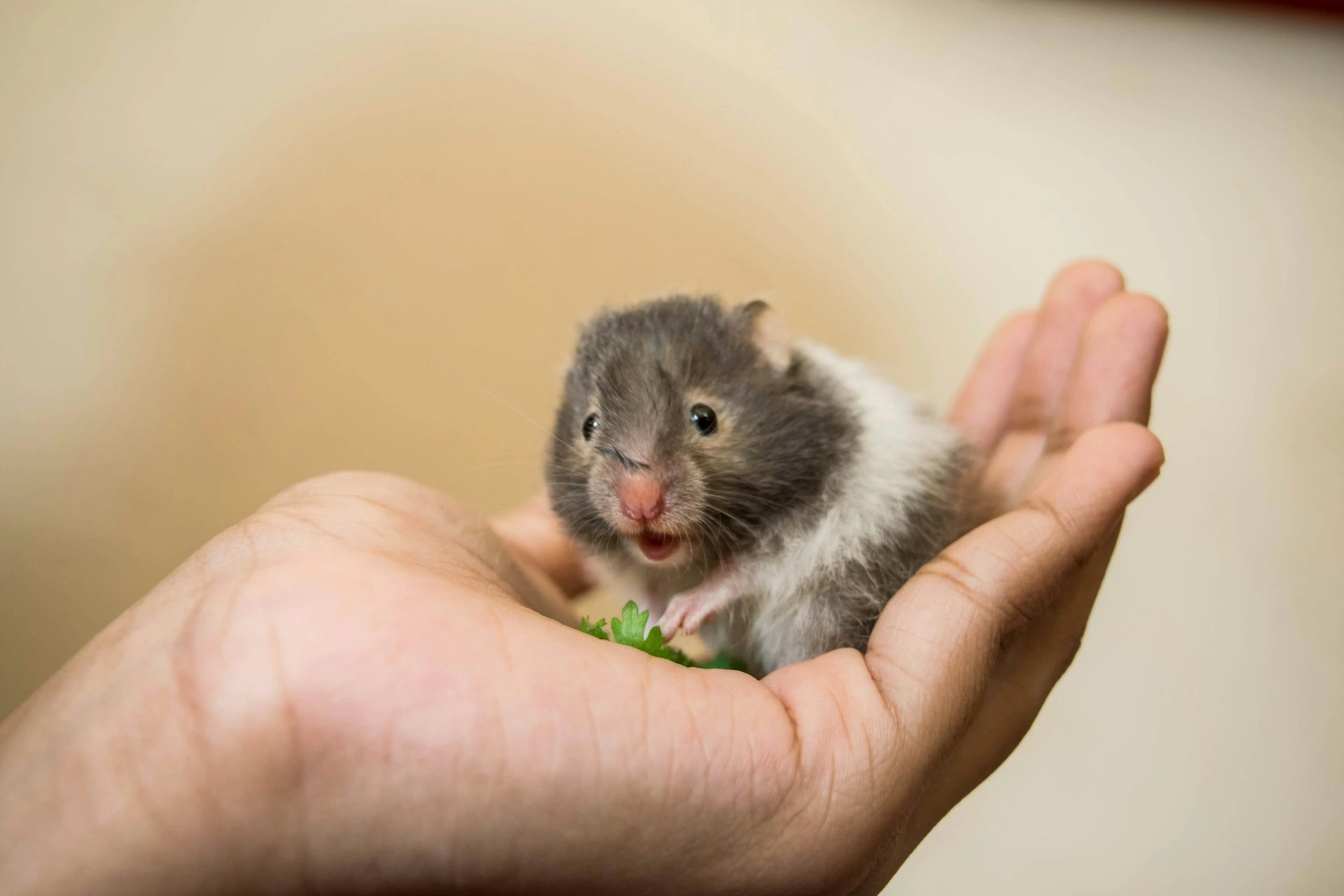
Rabbit owners, bird owners, reptile enthusiasts, and families with pocket pets should also create detailed preparedness plans.
Different species may require:
- Specialized housing
- Temperature control
- Dietary considerations
- Environmental monitoring
- Species-specific transportation needs
Your scaly, feathered, or pocket-sized pals deserve just as much planning as your dog or cat.
Every species has unique requirements that should be considered before an emergency develops.
Understand Hurricane Safety for Dogs and Cats
Storms bring strange noises, weird pressure changes, and all sorts of routine-busting chaos that can really throw pets for a loop.
It’s pretty common for dogs and cats to get anxious when the weather turns wild.
Signs of storm-related stress may include:
- Hiding
- Pacing
- Vocalizing
- Trembling
- Clinginess
- Reduced appetite
Giving your pet a safe, quiet spot to hunker down can help them feel a lot more secure.
Sticking to your usual routines as much as you can may also help keep your pet’s nerves in check.
Knowing the signs of stress means you can step in and help your furry friend feel better, faster.
Secure Medical Records and Medications
Veterinary records can become extremely important during an evacuation.
If your pet requires medical attention while displaced, access to healthcare information helps veterinarians make informed decisions.
Keep copies of:
- Vaccination records
- Medication lists
- Medical history summaries
- Microchip information
- Veterinary contact information
Keep those records in a waterproof container or snap a photo for digital backup, just in case.
If your pet needs regular meds, try to keep an emergency stash on hand.
A little preparation now can help you avoid any gaps in your pet’s treatment if things get hectic.
Build a Reliable Pet Evacuation Checklist
A pet evacuation checklist is your best friend when you’re trying to remember everything in a hurry.
Your checklist may include:
- Food and water
- Medications
- Veterinary records
- Identification materials
- Carriers
- Leashes
- Bedding
- Cleaning supplies
- Comfort items
- Contact information
Give your checklist a quick look every so often during hurricane season to make sure it’s still up to date.
Keep it somewhere handy so you can grab it fast if you need to move quickly.
Many owners find that written checklists help reduce anxiety during emergencies.
Never Leave Pets Behind
One of the most important principles of disaster preparedness for pets is simple: if conditions are unsafe for you, they are likely unsafe for your pets as well.
Leaving pets behind during an evacuation can expose them to numerous risks.
Flooding, structural damage, power outages, injuries, and limited access to food or water can all threaten their safety.
Even if you think you’ll be back soon, storms can change fast and keep you away longer than you expect.
Including pets in evacuation plans from the beginning helps prevent difficult decisions later.
Prepare for Power Outages
Hurricanes often bring extended power interruptions.
Power outages can affect temperature control, lighting, refrigeration, and equipment used for certain exotic pets.
Consider how your pets’ needs may be affected if electricity is unavailable.
Particular attention should be paid to species that rely on environmental heating or specialized habitat conditions.
Planning helps reduce the impact of utility disruptions.
Knowing what your pet needs to stay comfortable helps you make better backup plans.
Stay Informed During Storm Events
Reliable information supports better decision-making.
Monitor weather updates, emergency management announcements, and local advisories throughout storm events.
Conditions can change rapidly, especially in coastal communities.
Having multiple ways to receive updates helps ensure you remain informed if one communication method becomes unavailable.
Staying informed supports both human and pet safety.
Timely information often provides additional opportunities to act before conditions worsen.
Helping Pets Recover After the Storm
Recovery does not end when the weather improves.
Pets may continue experiencing stress after the storm passes. Familiar routines, gradual reintroduction to normal activities, and close observation can help support adjustment.
Inspect your property carefully before allowing pets outdoors.
Potential hazards may include:
- Debris
- Standing water
- Damaged fencing
- Downed power lines
- Sharp objects
- Wildlife displacement
Maintaining supervision helps reduce risks during the recovery period.
Patience is often helpful as pets settle back into normal routines.
Chewy wrote an article about preparing your pet for a hurricane. The Red Cross also wrote about preparing your pet for major storms on their site.
Frequently Asked Questions
What should be included in a hurricane pet preparedness kit?
Food, water, medications, veterinary records, identification information, leashes, carriers, bedding, and comfort items are important components of a pet emergency kit.
Why is emergency planning for pets important?
Planning helps ensure pets have access to transportation, supplies, medical information, and safe shelter during emergencies.
What are the most important hurricane safety tips for dogs and cats?
Keep identification current, prepare evacuation plans, maintain emergency supplies, monitor weather updates, and never leave pets behind during evacuations.
What belongs on a pet evacuation checklist?
A pet evacuation checklist should include food, water, medications, records, carriers, identification materials, bedding, and essential care supplies.
How can I improve disaster preparedness for pets?
Review plans annually, maintain emergency kits, update records, identify evacuation destinations, and practice transportation procedures before emergencies occur.
Contact Our Carteret County, NC Veterinary Clinic Before Hurricane Season
Hurricane pet preparedness is one of the best ways to protect your companion during severe weather events. Whether you need help with emergency planning for pets, building a pet evacuation checklist, or understanding hurricane safety for dogs and cats, our team is here to help. At Live Oak Veterinary Hospital, your Carteret County, NC animal hospital, we are committed to supporting your pet’s health and safety throughout hurricane season and beyond. If you have been searching for a trusted vet near me, contact our veterinary clinic today to schedule an appointment and discuss disaster preparedness for pets before the next storm approaches.
This blog is intended for informational purposes only. Always consult your veterinarian and local emergency management officials for guidance on your pet’s health, safety, evacuation planning, and emergency preparedness.
If you are looking for a great veterinary clinic in Carteret County, NC, you’ve found us! If you would like to learn more about us, our Service page is a great place to start. We offer top-notch veterinary care across many areas, including Wellness and Vaccinations, Boarding, Urgent Care, and more.
Common Summer Skin Problems in Carteret County, NC Pets
Is Boarding Right for Your Pet During Vacation Travel?
Senior Dog and Cat Care Tips for Carteret County Families
Why Is My Senior Cat Sleeping More Than Usual?

Hurricane Season Pet Preparedness for Carteret County, NC

How Phovia Light Therapy Supports Skin Healing in Pets
Hamster Care Tips for First-Time Pocket Pet Owners
Why Does My Dog Eat Grass During Walks?

What to Expect When Your Pet Is Spayed or Neutered