
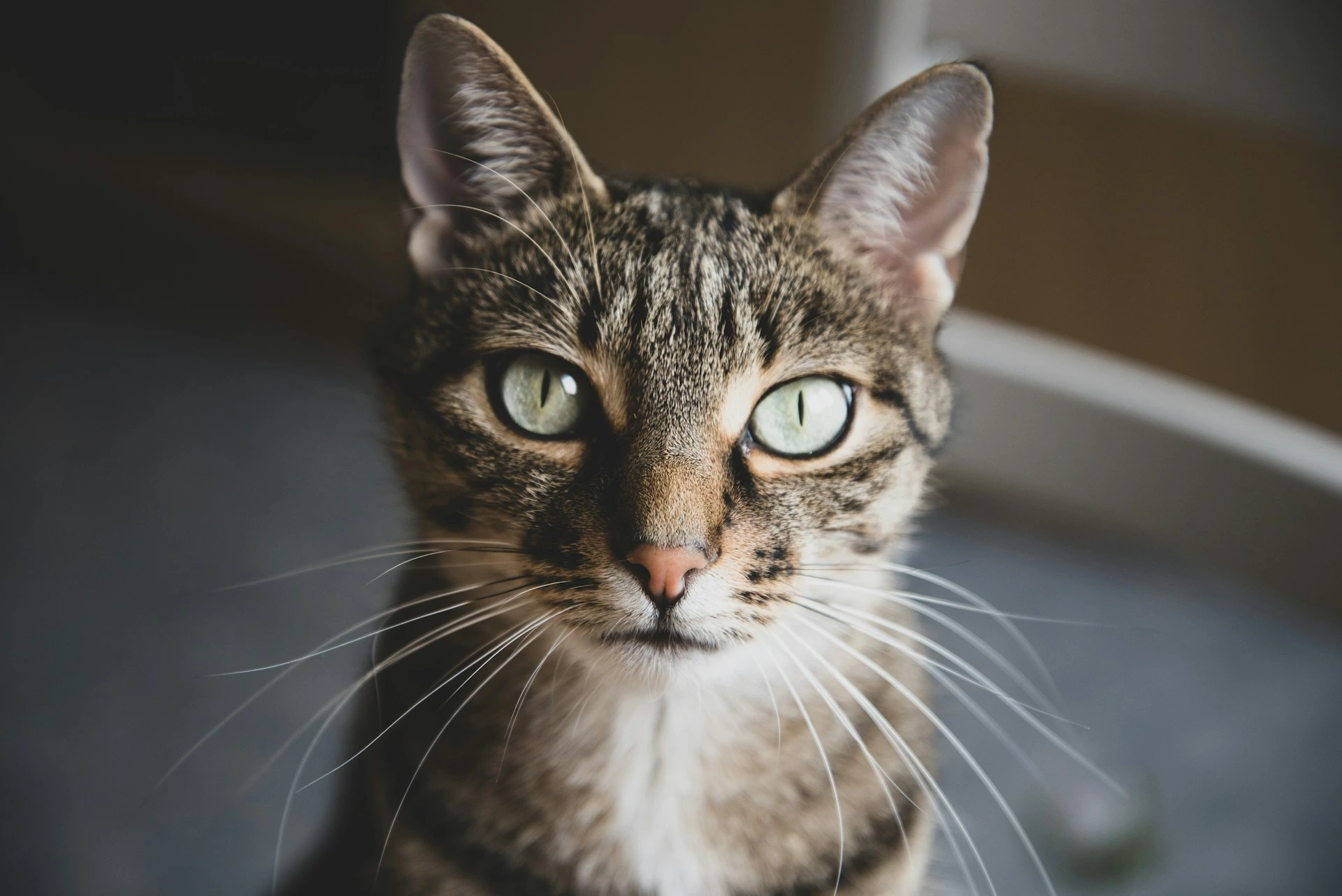
Why Is My Cat Meowing More Than Usual Lately?

Has your feline companion suddenly become much more talkative than usual? Perhaps your kitty follows you around the house announcing their presence, wakes you up earlier than normal, or seems to have developed an opinion about absolutely everything. While some cats are naturally vocal, a noticeable increase in meowing can sometimes indicate that something has changed. At Live Oak Veterinary Hospital, your Carteret County, NC veterinary clinic, concerns about a cat meowing more than usual are common reasons pet owners schedule appointments.
Cats have a lot to say, and meowing is their favorite way to chat with us humans. But if your kitty is suddenly meowing more than usual, it could be their way of waving a little red flag. Sometimes it’s just a case of extra opinions, but other times it can mean your pet is feeling stressed, under the weather, or dealing with changes at home. Knowing what’s normal for your cat—and spotting when things change—can help you figure out if Fluffy is just being expressive or if it’s time to give us a call.
Meowing Is a Normal Form of Cat Communication
Cats really do have a fascinating way of getting their point across.
Unlike the sounds they make for other cats, meowing is usually reserved just for us humans. Your feline pal quickly figures out that meowing gets your attention. Some kitties become absolute pros at using their voices to let you know exactly what they want.
Some cats are born chatterboxes, while others are the strong, silent type. Personality, breed, age, and just plain kitty quirks all play a part in how much your cat likes to talk.
The real thing to watch for isn’t how much your cat meows, but whether there’s been a change from their usual routine.
If your cat has always been a talker, that’s probably just their personality shining through. But if your usually quiet kitty suddenly starts meowing up a storm, it’s time to pay a little closer attention.
Hunger Is a Common Cause of Increased Meowing
Let’s be honest. Sometimes the answer is as simple as food.
Cats are experts at learning when mealtime rolls around, and they’re not shy about reminding you. Your feline overlord might start meowing near the food bowl, the pantry, or anywhere snacks might magically appear.
If you change up the feeding schedule, don’t be surprised if your kitty has a few things to say about it.
If your cat’s extra meowing happens mostly around mealtimes and stops once the food hits the bowl, hunger is probably the main culprit.
But if your kitty seems hungrier than usual and you notice weight changes or other symptoms, it’s a good idea to check in with your vet.
Your Cat May Be Seeking Attention
Lots of cats love hanging out with their favorite people.
If your kitty discovers that meowing leads to petting, playtime, treats, or conversation, they may use vocalization as a reliable way to gain attention.
Cats are excellent learners. Behaviors that produce positive outcomes often become stronger over time.
Attention-seeking vocalization may occur when:
- You arrive home
- You are working at a computer
- You stop petting your cat
- Your cat wants to play
- Household routines change
In these cases, your cat is probably just trying to have a conversation, not signaling that something’s wrong.
Changes in the Household Can Trigger Vocalization
Cats are big fans of routine.
Even relatively minor changes can affect your cat’s behavior. A move, a new family member, visiting guests, a remodeling project, a schedule change, or the introduction of another pet may increase vocalization.
Stress-related meowing often occurs alongside other behavioral changes.
Your feline pal may become clingier, spend more time hiding, alter sleeping habits, or display changes in appetite.
Because cats often respond subtly to stress, increased meowing may be one of the earliest signs that something in their environment feels different.
Boredom Can Lead to Excessive Cat Vocalization
Cats need both physical and mental stimulation.
If your kitty doesn’t have enough to do, they’ll find their own fun. Sometimes that means meowing their way through the house to let everyone know they’re there.
Indoor cats especially benefit from activities that encourage natural behaviors such as climbing, exploring, hunting, scratching, and problem-solving.
Signs that boredom may be contributing to excessive cat vocalization include:
- Meowing during periods of inactivity
- Increased attention-seeking behavior
- Restlessness
- Destructive habits
- Nighttime activity
Providing environmental enrichment can help support emotional well-being and reduce boredom-related behaviors.
Medical Conditions Can Cause Increased Meowing
When evaluating why a cat is meowing more than usual, medical causes should always be considered.
Many illnesses can influence vocalization patterns. Cats may meow because they are uncomfortable, confused, anxious, or attempting to communicate that something feels wrong.
Medical conditions that may contribute to increased vocalization include:
- Hyperthyroidism
- High blood pressure
- Kidney disease
- Arthritis
- Cognitive dysfunction
- Vision changes
- Hearing loss
- Pain-related conditions
Because cats often hide illness exceptionally well, behavioral changes may sometimes appear before obvious physical symptoms develop.
This is one reason why sudden or persistent changes in vocalization deserve attention.
Pain Can Affect Cat Communication Behaviors
Cats experiencing discomfort do not always show obvious signs of pain.
Instead of limping or crying out, some cats respond to discomfort by becoming more vocal. They may meow when moving, jumping, using the litter box, or being handled.
Arthritis is a common example.
An older cat who used to get around just fine might start meowing because jumping or climbing has become harder.
Pain-related vocalization is often accompanied by other subtle changes, including decreased activity, altered grooming habits, or reluctance to jump onto favorite furniture.
Senior Cats Often Experience Changes in Vocalization
Aging can influence many aspects of feline behavior.
Older cats may become more vocal for several reasons, including medical conditions, sensory changes, and cognitive dysfunction. Some senior cats become disoriented, particularly at night, and may vocalize more frequently as a result.
Hearing or vision changes that come with age can also affect how your cat gets around and interacts with their world.
If your senior feline companion suddenly develops excessive vocalization, a veterinary examination is recommended to evaluate potential age-related health concerns.
Don’t brush off changes in your cat’s behavior just because they’re getting older.
Cats in Heat Tend to Vocalize More
For unspayed female cats, reproductive hormones can dramatically influence vocal behavior.
Cats in heat often become noticeably more vocal and may produce loud, persistent calls designed to attract potential mates.
These vocalizations differ from normal meowing and are often difficult to ignore.
Additional signs may include increased affection, restlessness, and attempts to escape outdoors.
If reproductive behavior is suspected, discussing options with your veterinarian can help determine the best course of action.
Nighttime Meowing Can Have Several Causes
A lot of cat parents notice their kitties get extra vocal at night.
Cats are naturally more active at dawn and dusk, which can contribute to nighttime activity and communication. Hunger, boredom, attention-seeking, and environmental changes may all play a role.
But if your cat keeps meowing at night, especially if they’re older, it could be a sign of a medical or cognitive issue.
Pay attention to patterns and accompanying symptoms.
Information about when the behavior occurs can help your veterinarian identify potential causes.
How Veterinarians Evaluate Excessive Meowing
Diagnosing the reason behind increased vocalization often involves gathering information from multiple sources.
Your veterinarian may ask about:
- When the meowing occurs
- Recent changes in the household
- Appetite
- Activity level
- Litter box habits
- Sleep patterns
- Other behavioral changes
Depending on your cat’s age, symptoms, and history, your vet might suggest a physical exam or some tests.
The goal is to figure out if your cat’s meowing is due to behavior, something in their environment, or a medical issue.
When Should You Schedule a Veterinary Visit?
Not every vocal cat requires medical intervention.
However, a veterinary evaluation is recommended when a cat meowing more than usual is accompanied by:
- Weight loss
- Increased thirst
- Appetite changes
- Lethargy
- Litter box changes
- Difficulty moving
- Disorientation
- Other unusual behaviors
Even if no additional symptoms are present, a significant change in vocalization patterns may warrant professional evaluation.
Your feline friend knows what is normal for them. A sudden change often deserves attention.
Chewy has an article on kitty vocalizations. The ASPCA also covers the cat’s meow.
Frequently Asked Questions
Why is my cat meowing more than usual all of a sudden?
Sudden increases in vocalization may result from hunger, stress, environmental changes, attention-seeking behavior, pain, illness, or age-related conditions. Veterinary evaluation can help identify the underlying cause.
Is excessive cat vocalization always a medical problem?
No. Some cats become more vocal due to boredom, changes in routine, social interactions, or learned behaviors. However, medical causes should be considered when vocalization patterns change significantly.
What medical conditions cause cats to meow more frequently?
Conditions such as hyperthyroidism, kidney disease, arthritis, cognitive dysfunction, pain, and sensory changes can contribute to increased vocalization.
Why does my senior cat meow more at night?
Senior cats may vocalize more due to cognitive changes, vision or hearing loss, discomfort, or confusion. A veterinary examination can help determine the cause.
When should I take my cat to the veterinarian for excessive meowing?
You should schedule a veterinary visit if the behavior is new, persistent, worsening, or accompanied by other physical or behavioral changes.
Schedule an Appointment at Our Carteret County, NC Veterinary Clinic
If your cat’s meowing more than usual has become a concern, our team can help identify the cause and determine whether medical or behavioral factors are involved. At Live Oak Veterinary Hospital, your Carteret County, NC animal hospital, we help pet owners better understand cat communication behaviors, evaluate excessive cat vocalization, and address changes in feline behavior. If you have been searching for a trusted vet near me, contact our veterinary clinic today to schedule an appointment and help your feline companion feel their best.
This blog is intended for educational purposes only. Always consult your veterinarian for individualized medical advice, diagnosis, and treatment recommendations for your pet, and follow their professional guidance regarding your companion’s healthcare needs.
If you are looking for a great animal clinic in Carteret County, NC, you’ve found us! If you would like to learn more about us, our Service page is a great place to start. We offer excellent veterinary care across many areas, including Wellness and Vaccinations, Urgent Care, and more. You can also learn more about our Premier Care Plans.
Common Summer Skin Problems in Carteret County, NC Pets

Is Boarding Right for Your Pet During Vacation Travel?

Senior Dog and Cat Care Tips for Carteret County Families
Why Is My Senior Cat Sleeping More Than Usual?

Hurricane Season Pet Preparedness for Carteret County, NC

How Phovia Light Therapy Supports Skin Healing in Pets
Hamster Care Tips for First-Time Pocket Pet Owners

Why Does My Dog Eat Grass During Walks?
What to Expect When Your Pet Is Spayed or Neutered