

How Laser Therapy Helps Pets Stay Active and Comfortable

Watching your furry friend slow down can be difficult. Maybe your canine companion no longer jumps into the car as eagerly as they once did, or your feline friend seems less interested in climbing to their favorite perch. Mobility challenges, discomfort, and recovery from injuries can affect pets of all ages. At Live Oak Veterinary Hospital, your Carteret County, NC veterinary clinic, we offer pet laser therapy as part of a comprehensive approach to supporting comfort, healing, and quality of life.
Laser therapy for pets is getting a lot of attention these days, and for good reason! This gentle, non-invasive treatment can help ease pain, reduce inflammation, and get those tails wagging (or purring) again, all without surgery. Whether your pup is bouncing back from an injury, your kitty is feeling their age, or you’re just curious about new ways to help your pet feel their best, knowing how laser therapy works can help you make the best choices for your furry friend.
What Is Pet Laser Therapy?
Pet laser therapy uses special light waves to give your pet’s cells a little boost, helping them do their job better and faster.
You might hear us call this ‘photobiomodulation’, a fancy word for using light to help cells heal and feel better. The light energy goes right where it’s needed, encouraging healing and comfort from the inside out.
Unlike the lasers you see in sci-fi movies, these don’t cut or zap anything. Instead, they gently encourage your pet’s body to repair and recover naturally.
Most pets handle laser therapy like champs, since it’s gentle, non-invasive, and doesn’t involve any poking or prodding.
We often use laser therapy alongside other treatments, like medications, rehab exercises, or simple changes at home, to give your pet the best shot at feeling great.
How Does Laser Therapy Work?
Just like us, every cell in your pet’s body needs energy to do its job.
Laser therapy gives those cells a little extra energy, which can help boost circulation, speed up healing, and get your pet back on their paws (or feet) sooner.
When your pet’s tissues are sore or injured, their cells can use a little help. Laser therapy targets those trouble spots and helps the healing process along.
The result? Many pets feel more comfortable and move around more easily.
Laser therapy isn’t a magic wand, but it’s a great tool to have in our veterinary toolbox, especially when combined with other treatments.
Why Many Pet Owners Choose Non-Invasive Pet Pain Relief
Most pet parents love having options that don’t involve surgery or long recovery times.
One of the best things about pet laser therapy is that it offers non-invasive pain relief. Treatments are usually performed without sedation, incisions, or significant downtime.
Most pets stay awake and relaxed during their sessions, and some even seem to enjoy the extra attention!
Since the procedure is so gentle, most pets are back to their usual routines right after treatment.
That makes laser therapy a great choice for pets who aren’t good candidates for surgery, or for families looking for extra ways to keep their furry pals comfortable and on the move.
Conditions That May Benefit From Pet Laser Therapy
Laser therapy can help with all sorts of conditions. Your vet will help you decide whether laser therapy is right for your pet, based on your pet’s health and what we’re hoping to achieve.
Conditions that may benefit from laser therapy include:
- Arthritis
- Joint discomfort
- Soft tissue injuries
- Surgical recovery
- Back pain
- Muscle strains
- Tendon injuries
- Ligament injuries
- Wound healing support
- Certain skin conditions
Every pet is unique, so we tailor each treatment plan to their specific needs.
Laser therapy works best when it’s part of a bigger plan for your pet’s health and happiness.
Laser Therapy for Dogs With Mobility Challenges
As our canine companions get older, it’s pretty common to notice changes in how they move around.
Things like arthritis, stiff joints, or old injuries can make everyday activities, like walking, climbing stairs, or even getting up from a nap, a bit tougher. Some pups slow down simply because moving around isn’t as comfy as it used to be.
Laser therapy for dogs is often part of the plan when we’re helping pups with mobility issues.
Our goal is to keep your dog comfortable and moving so they can maintain strong muscles and healthy joints.
Active pups bouncing back from sports injuries or surgery can also benefit from laser therapy as part of their rehab plan.
Every dog is different, so we keep a close eye on how they’re doing and adjust as needed.
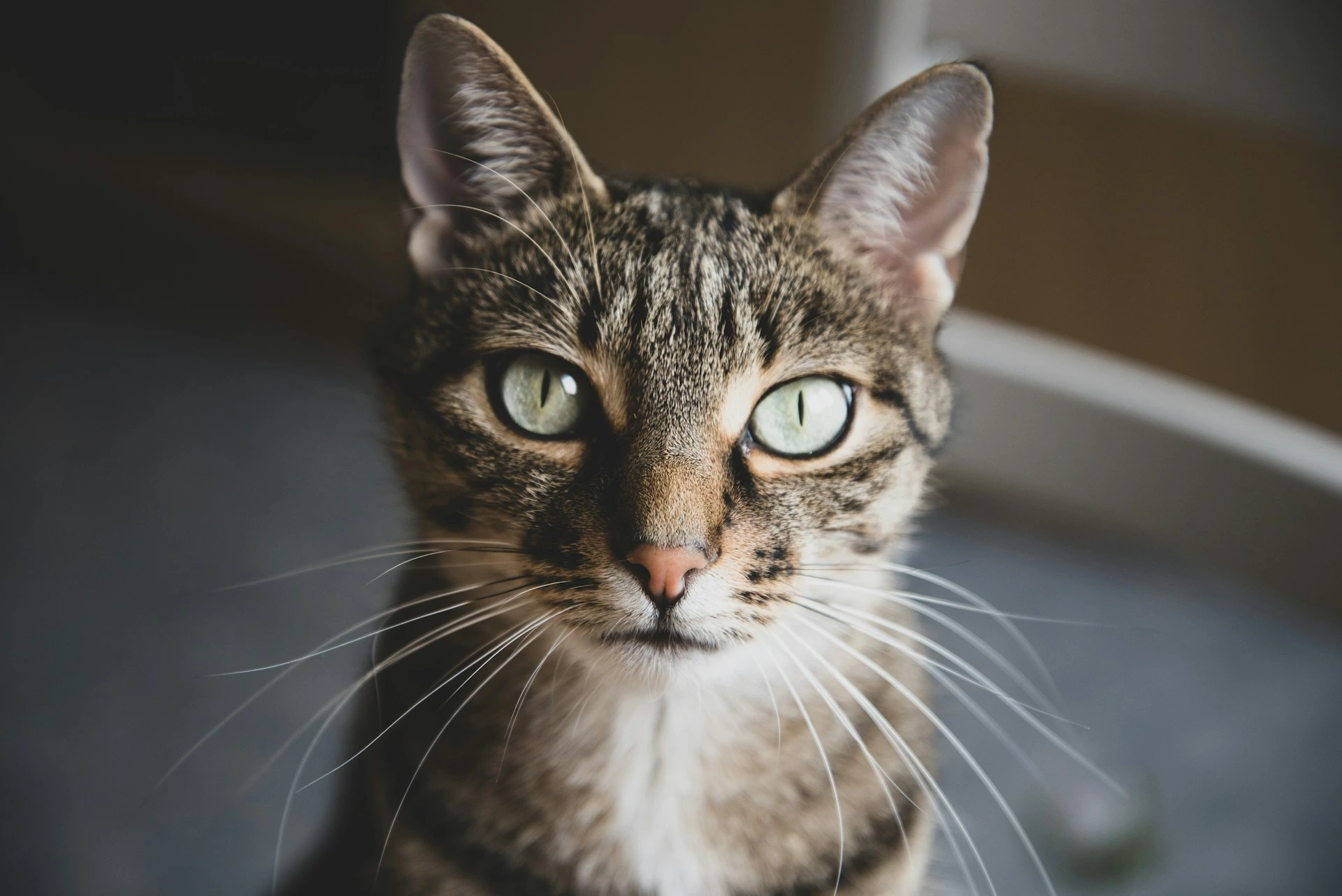
Laser Therapy for Cats Can Improve Comfort Too
Cats are true masters at hiding when they’re not feeling their best.
Many cats maintain their usual routines even when they’re dealing with pain or mobility issues. That means the signs can be pretty subtle and easy to miss.
Laser therapy can help cats with conditions such as inflammation, arthritis, and soft-tissue injuries, or simply provide a little extra support while they recover.
Some cats become more eager to jump, climb, groom, and interact once their treatment plan is underway.
Since a lot of cats aren’t big fans of taking medicine, non-invasive options like laser therapy can be a real win.
Your vet can help you decide if laser therapy is a good fit for your cat’s needs.
How Veterinary Rehabilitation Treatments Support Recovery
Getting better after an injury or surgery usually takes more than just waiting for things to heal on their own.
Veterinary rehab is all about helping pets regain their strength, flexibility, and pep. Laser therapy is often part of these programs because it can help tissues heal and keep your pet comfortable along the way.
Other rehabilitation strategies may include:
- Controlled exercise programs
- Range-of-motion exercises
- Mobility support
- Strength-building activities
- Weight management guidance
Mixing and matching different treatments usually gives your pet the best shot at a smooth recovery.
The right plan depends on your pet’s age, condition, and what we’re hoping to achieve together.
What Happens During a Laser Therapy Session?
Many pet parents are surprised by how quick and easy laser therapy sessions are.
During treatment, your veterinarian or veterinary team will place the laser device over the sore spot. The light energy goes right to the area that needs it, for just the right amount of time.
Most sessions are over before your pet even realizes it.
Many pets remain calm throughout the procedure, and some even appear to enjoy the experience. The treatment itself is painless, and many animals become comfortable with the process after only a few visits.
How often and how long your pet needs laser therapy depends on what we’re treating.
Your veterinary team will provide recommendations tailored to your pet’s needs.
Is Pet Laser Therapy Safe?
One big reason laser therapy is so popular is that it’s safe for most pets.
When performed by trained veterinary professionals, laser therapy is a safe option for many pets.
We use protective eyewear during treatment sessions to keep both pets and people safe.
As with any medical treatment, your veterinarian will evaluate whether laser therapy is appropriate based on your pet’s health status and medical history.
Not every pet is a perfect candidate, so it’s important to look at each case individually.
How Quickly Will Results Be Noticed?
Every pet responds differently.
Some pets seem more comfortable right after treatment, while others improve gradually over time. Factors like the underlying condition, symptom severity, treatment frequency, and your pet’s overall health all play a role.
For chronic issues like arthritis, we usually recommend a series of treatments.
Consistency helps the benefits build over time and supports longer-lasting results.
Staying in touch with your veterinary team helps us track progress and make changes as needed.
Supporting Senior Pets With Laser Therapy
Senior pets often go through age-related changes that can affect how they move and how comfortable they feel.
Arthritis is one of the most common concerns for older dogs and cats. Stiffness, slowing down, difficulty with stairs, and reluctance to jump can all affect their quality of life.
We often include pet laser therapy in senior care plans because it’s a non-invasive way to help keep older pets comfortable and mobile.
When we combine laser therapy with weight management, the right exercise, and regular check-ups, it can help older pets stay active and engaged.
Keeping pets mobile helps with both their physical and emotional well-being.
When Should You Ask Your Veterinarian About Laser Therapy?
If your pet is experiencing discomfort, recovering from surgery, or showing signs of reduced mobility, it may be worth discussing laser therapy with your veterinarian.
Questions that often prompt a conversation include:
- Is my pet slowing down due to discomfort?
- Are there additional options to support recovery?
- Can rehabilitation improve mobility?
- Would non-invasive pet pain relief benefit my companion?
Your veterinarian can assess your pet’s condition and discuss whether laser therapy could be a good addition to their care plan.
The best approach always depends on your pet’s unique needs and medical history.
If you’re curious about laser therapy for a senior dog, the AKC has a great article that you can read here. PetMD also did a piece on laser therapy in dogs.
Frequently Asked Questions
What is pet laser therapy?
Pet laser therapy uses therapeutic light energy to stimulate cellular activity, support healing, reduce inflammation, and improve comfort in certain medical conditions.
Is laser therapy painful for pets?
No. Laser therapy is generally considered painless. Most pets tolerate treatment well and remain awake during sessions.
Can laser therapy for dogs help with arthritis?
Yes. Laser therapy for dogs is often incorporated into arthritis management plans to support comfort, mobility, and overall quality of life.
Is laser therapy for cats safe?
When administered by trained veterinary professionals, laser therapy for cats is generally considered safe for appropriate candidates.
How does laser therapy fit into veterinary rehabilitation treatments?
Laser therapy is often used alongside other veterinary rehabilitation treatments to support healing, mobility, recovery, and long-term function.
Schedule an Appointment at Our Carteret County, NC Veterinary Clinic
If your furry friend is experiencing mobility challenges, recovering from an injury, or showing signs of discomfort, pet laser therapy may be worth discussing with your veterinarian. At Live Oak Veterinary Hospital, your Carteret County, NC animal hospital, we are proud to offer treatment options that support comfort, healing, and quality of life. Whether you are interested in laser therapy for dogs, for cats, for non-invasive pet pain relief, or other veterinary rehabilitation treatments, our team is here to help. If you have been searching for a trusted vet near me, contact our veterinary clinic today to schedule an appointment and learn whether laser therapy may benefit your companion.
This blog is intended for informational purposes only. Always consult your veterinarian for individualized medical advice, diagnosis, and treatment recommendations for your pet, and follow the healthcare plan they recommend for your companion’s specific needs.
If you are searching for a great animal hospital in Carteret County, NC, you’ve found us! We offer top-notch veterinary care across many areas, including Wellness and Vaccinations, Laser Therapy, Surgery, Phovia Light Therapy, and more. You can also learn more about our Premier Care Plans.

Common Summer Skin Problems in Carteret County, NC Pets

Is Boarding Right for Your Pet During Vacation Travel?

Senior Dog and Cat Care Tips for Carteret County Families
Why Is My Senior Cat Sleeping More Than Usual?

Hurricane Season Pet Preparedness for Carteret County, NC

How Phovia Light Therapy Supports Skin Healing in Pets

Hamster Care Tips for First-Time Pocket Pet Owners

Why Does My Dog Eat Grass During Walks?

What to Expect When Your Pet Is Spayed or Neutered