
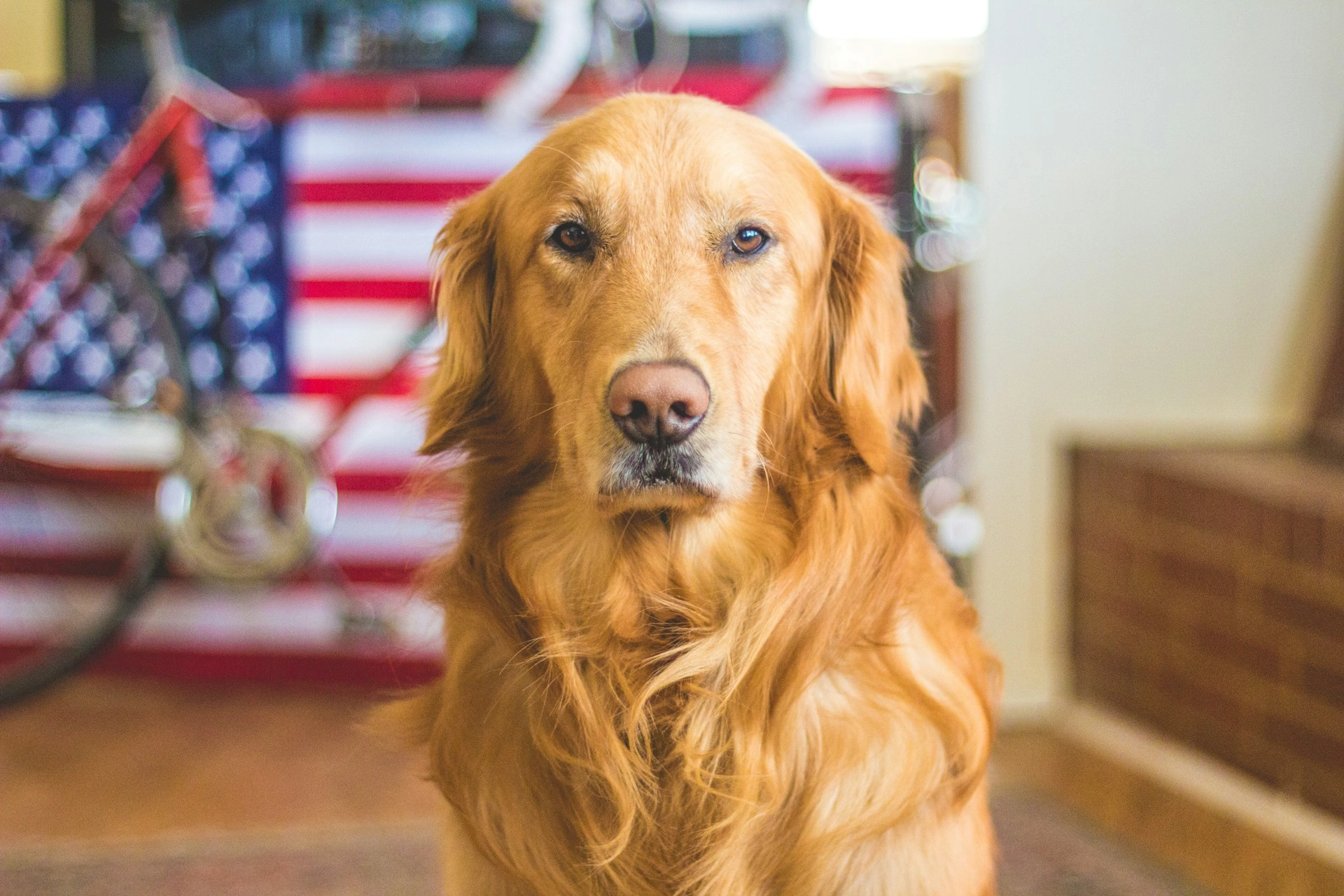
Why Does My Dog Follow Me Everywhere I Go?

Do you have a furry shadow that appears every time you stand up, walk into another room, or head toward the kitchen? If your canine companion seems determined to stay within arm’s reach throughout the day, you’re not alone. At Live Oak Veterinary Hospital, your Carteret County, NC veterinary clinic, questions about dog following owner everywhere behavior are surprisingly common. While many pet owners find it endearing, others wonder whether this constant companionship is normal or a sign of something more concerning.
Dogs are social creatures by nature, so sticking close to their favorite humans is just part of the job description! Still, it’s helpful to know whether your pup’s shadowing is a sign of love, curiosity, habit, or if it’s something that needs a little extra attention. Understanding velcro dog behavior and spotting signs of separation anxiety can help you keep your furry buddy happy and strengthen your bond.
Dogs Are Social Animals by Nature
To figure out why your dog is your constant sidekick, let’s take a quick peek at Fido’s doggy history.
Dogs evolved from social ancestors that lived and worked in groups. Cooperation helped these animals find food, stay safe, and navigate their environment. Even though modern dogs live very different lives, many of those social instincts remain.
Your furry pal just wants to stay connected with their favorite people. Tagging along after you is one way your dog keeps those family ties strong.
From your dog’s point of view, sticking close means they get to be part of the action, keep an eye on what’s happening, and feel like a true member of the pack.
Most of the time, this is just normal doggy social bonding, not a sign of a problem.
Affection Is Often a Major Reason
One of the easiest explanations for your dog’s shadow act? Pure, simple affection.
Dogs form strong emotional bonds with their families. Your furry friend enjoys spending time with you because positive experiences often happen when you are nearby.
You’re the source of all the good stuff: meals, walks, playtime, belly rubs, and snuggles. No wonder your pup thinks being near you is the best place to be!
So, following you from room to room is just your dog’s way of saying, “I love you, and I don’t want to miss a thing!”
For lots of pups, being close to their favorite human is the ultimate comfort and reward.
Some Dogs Develop Velcro Dog Behavior
You might have heard the term “velcro dog” for pups who just can’t help but stick to you like glue.
Velcro dogs are those extra-clingy pups who want to be by your side no matter what you’re up to, even if it’s just folding laundry or brushing your teeth.
They may:
- Follow you into every room
- Wait outside bathroom doors
- Stay close while you work
- Shadow you during household chores
- Become alert whenever you stand up
While having a velcro dog can be harmless (and sometimes pretty cute), it’s important to look at the bigger picture.
Some pups just love company, while others might stick close because they get a little anxious when you’re out of sight.
Understanding the difference helps determine whether intervention may be beneficial.
Your Dog May Be Curious About What You Are Doing
Dogs are natural detectives.
Most pups quickly learn that when you move, something exciting might be about to happen. Standing up could mean a walk, a treat, dinner, playtime, or a trip outside, so why risk missing out?
That’s why your furry bestie might follow you everywhere, just in case there’s fun (or food) involved.
This habit builds up over time. If tagging along means treats or attention, your dog quickly learns that being your shadow pays off. In these cases, curiosity and excitement usually win out over any worries.
Breed Tendencies Can Influence Attachment
Some breeds are naturally more people-oriented than others.
Herding, sporting, and companion breeds were made to work side-by-side with people, so it’s no surprise they love sticking close to their families.
Certain breeds may be more likely to form strong attachments to owners simply because of their genetic predispositions.
Of course, every dog is an individual. Personality, training, and life experiences all play a part in how clingy (or independent) your pup might be.
However, breed characteristics can help explain why some dogs seem more independent while others rarely leave your side.
Positive Reinforcement Can Strengthen the Habit
Dogs are quick learners when it comes to things that pay off.
If following you around leads to treats, praise, or even just a pat on the head, your pup will want to keep it up.
Even little things, like a smile or a quick scratch, can encourage your dog to stick close.
If your furry buddy follows you into the kitchen and scores a snack, you can bet they’ll try their luck again next time.
That doesn’t mean there’s a problem. It just shows how smart dogs are at learning what works!
When good things keep happening, habits stick, even if your dog started following you for a totally different reason.
Puppies Often Follow Their Owners More Frequently
Puppies are famous for being little shadows, especially when everything around them is new and a bit overwhelming.
Sticking close to their favorite humans helps puppies feel safe and secure while they figure out the big, wide world.
As your puppy grows up and gets braver, they’ll usually start exploring on their own a bit more.
But those early bonds can stick around, shaping your dog’s behavior even as an adult.
Some grown-up dogs keep their shadow habits just because that’s what they learned as pups.
Senior Dogs May Follow You for Different Reasons
Senior pups might start sticking closer to you as they get older.
Changes in vision, hearing, or mobility can make older dogs a little more dependent on their favorite humans for comfort and reassurance.
Your canine companion may feel more comfortable when they know where you are located.
Sometimes, this extra following happens slowly as your dog gets older.
If your older pup suddenly starts acting differently, it’s a good idea to check in with your vet to rule out any health issues.
When Dog Attachment to Owners Becomes a Concern
Most dogs who love being near their people are happy and healthy.
Trouble usually starts if your dog can’t relax or cope when you’re not around.
Signs that may warrant additional attention include:
- Panic when you leave the room
- Destructive behavior during absences
- Excessive vocalization when alone
- House-soiling related to separation
- Self-injury during isolation
- Inability to relax independently
These signs can point to separation worries, not just extra love.
It’s important to tell the difference, since separation issues need a different kind of help.
Understanding Canine Separation Concerns
Canine separation concerns occur when dogs experience significant distress when separated from their preferred people.
Unlike dogs that simply enjoy companionship, dogs with separation-related problems may become genuinely anxious when left alone.
Symptoms can occur immediately before departure, shortly after owners leave, or throughout the separation period.
These dogs are not being stubborn or disobedient. They are experiencing emotional distress.
Recognizing the difference between healthy attachment and separation-related anxiety helps guide appropriate intervention strategies.
Encouraging Healthy Independence
Even if your dog’s shadowing isn’t causing trouble, it’s still a good idea to help them feel confident on their own.
Teaching your pup to be comfy solo helps build their confidence and resilience.
You can help your dog feel more independent by:
- Providing enrichment activities
- Encouraging relaxation on a designated bed
- Rewarding calm independent behavior
- Maintaining predictable routines
- Offering mentally stimulating toys
The goal is not to discourage affection. Instead, it helps your furry bestie feel comfortable whether you are nearby or not.
Balanced relationships allow dogs to enjoy companionship while remaining emotionally secure during periods of separation.
Medical Issues Can Sometimes Influence Behavior
Sometimes, changes in your dog’s behavior can be linked to health issues.
Things like pain, vision or hearing loss, or even certain illnesses can change how your dog acts around the family.
If your dog suddenly starts following you everywhere (especially if you notice other changes), it’s a good idea to have your vet take a look.
A checkup can help spot any health issues that might be behind new or odd behaviors.
This is extra important for senior pups who suddenly act differently or change their routines.
Building a Strong Bond Without Encouraging Anxiety
A strong bond with your dog is a wonderful thing.
Your pup should love spending time with you. The goal isn’t to cut back on affection or fun together.
Instead, aim for a relationship that mixes closeness with confidence.
Giving your dog plenty of exercise, training, playtime, and a steady routine helps keep them happy and emotionally healthy.
Dogs who feel secure can enjoy your company and still be okay when it’s time for a little solo time.
The ASPCA has a good article on common dog behavioral issues. They also covered pet behavioral counseling.
Frequently Asked Questions
Why is my dog following me everywhere all of a sudden?
Sudden changes in behavior can sometimes result from stress, changes in routine, aging, medical conditions, or emotional factors. A veterinary evaluation may be helpful if the behavior appears abruptly.
Is a dog following the owner everywhere a normal behavior?
Yes. Many dogs naturally enjoy staying close to their owners because of social bonding, affection, curiosity, and learned behaviors.
What is velcro dog behavior?
Velcro dog behavior refers to dogs that remain extremely close to their owners throughout the day and frequently follow them from room to room.
How do I know if my dog has separation anxiety?
Dogs with separation-related concerns often show distress when left alone, including vocalization, destructive behavior, house-soiling, or panic-like responses.
Should I discourage my dog from following me?
Not necessarily. Following behavior is often normal. However, encouraging healthy independence can help prevent overreliance and support emotional confidence.
Schedule an Appointment at Our Carteret County, NC Veterinary Clinic
If your dog’s “following owner everywhere” behavior has you wondering whether your canine companion is simply affectionate or experiencing separation anxiety, our team can help. At Live Oak Veterinary Hospital, your Carteret County, NC animal hospital, we understand that understanding dog behavior is an important part of supporting your pet’s overall well-being. Whether you have questions about velcro dog behavior, dog attachment to owners, or other behavioral changes, our veterinary team is here to provide guidance. If you have been searching for a trusted vet near me, contact our veterinary clinic today to schedule an appointment and discuss your furry friend’s needs.
This blog is intended for informational purposes only. Always consult your veterinarian for personalized advice, diagnosis, and treatment recommendations regarding your pet’s health and behavior, and follow their professional guidance for your companion’s care.
If you are looking for a great veterinarian in Carteret County, NC, you’ve found us! If you would like to learn more about us, our Service page is a great place to start. We offer excellent veterinary care in many areas, including Wellness and Vaccinations, Laser Therapy, Surgery, and Dentistry, as well as Boarding, Urgent Care, and Hospice. You can also learn more about our Premier Care Plans. Phovia Light Therapy offerings.
Common Summer Skin Problems in Carteret County, NC Pets
Is Boarding Right for Your Pet During Vacation Travel?
Senior Dog and Cat Care Tips for Carteret County Families
Why Is My Senior Cat Sleeping More Than Usual?
Hurricane Season Pet Preparedness for Carteret County, NC

How Phovia Light Therapy Supports Skin Healing in Pets
Hamster Care Tips for First-Time Pocket Pet Owners
Why Does My Dog Eat Grass During Walks?
What to Expect When Your Pet Is Spayed or Neutered