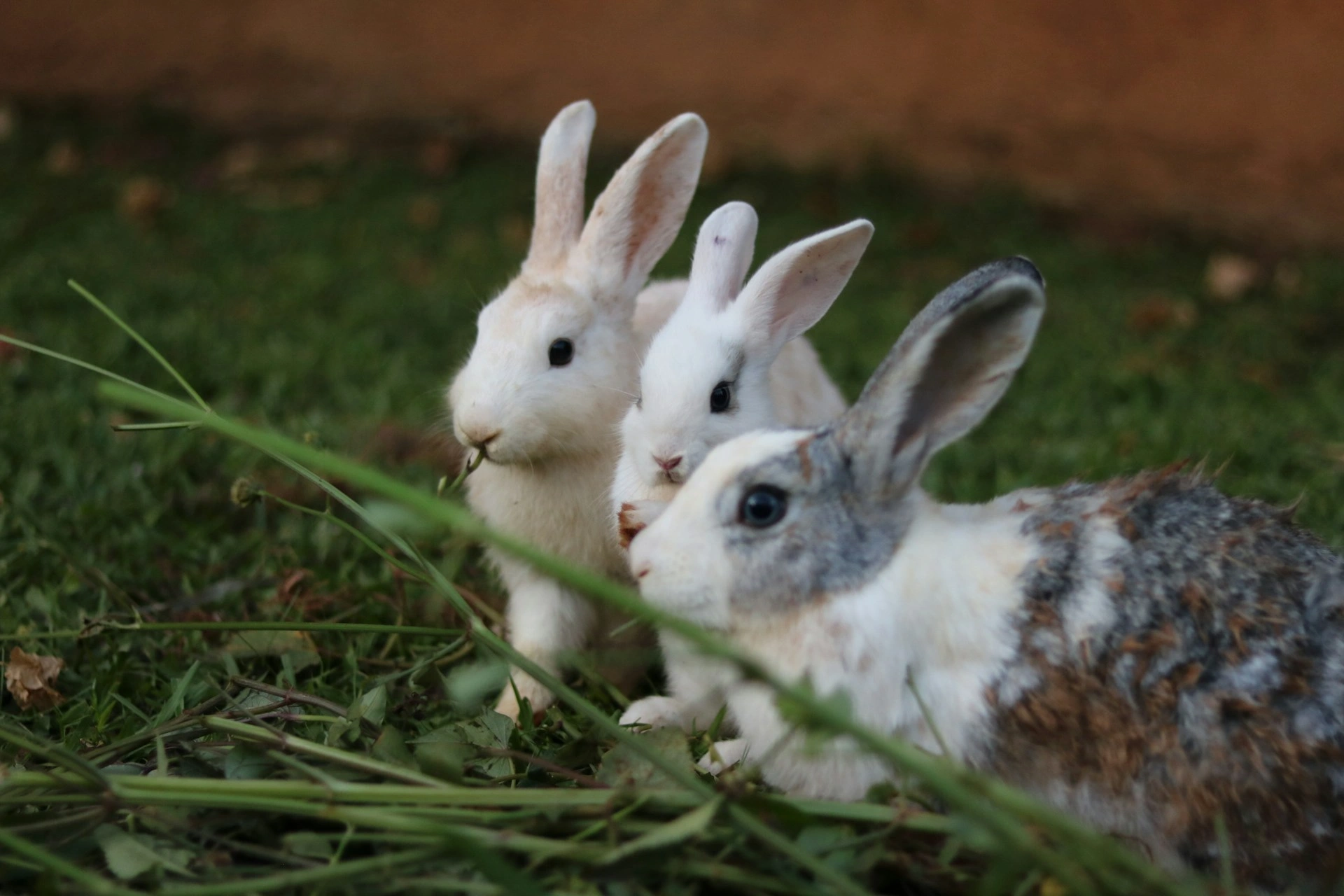

What to Expect When Your Pet Is Spayed or Neutered

Learning that your furry friend is scheduled for surgery can make any pet owner feel a little nervous. Even though spay and neuter procedures are among the most common surgeries performed in veterinary medicine, it is natural to have questions about what happens before, during, and after the appointment. At Live Oak Veterinary Hospital, your Carteret County, NC veterinary clinic, we believe that understanding the process can help you feel more confident and prepared when your pet undergoes spay and neuter surgery.
Spay and neuter surgeries aren’t just routine. They’re a big win for both your pet and the whole pet community. These procedures help prevent surprise litters and can support your furry friend’s long-term health. Knowing how to get your pet ready for surgery, what to expect during recovery, and the benefits of these procedures can make the whole experience much smoother for both you and your four-legged sidekick.
What Is Spay and Neuter Surgery?
Spay and neuter surgeries are how we make sure Fluffy or Fido won’t be welcoming any surprise bundles of joy.
Spaying is the procedure we perform on female pets, in which we remove the reproductive organs. Neutering is for the boys, and that means removing the testicles.
Both surgeries are done under anesthesia by your friendly neighborhood veterinary team. While the details are a little different for boys and girls, both are considered routine procedures.
Spay and neuter surgery is commonly performed for dogs and cats, but veterinarians may also recommend sterilization procedures for certain other species.
The exact timing and recommendations depend on factors such as species, breed, age, health status, and lifestyle.
Why Veterinarians Recommend Pet Sterilization Surgery
Sterilizing your pet isn’t just good for them. It’s good for the whole pet community, too.
Of course, preventing surprise litters is a big plus, but there are plenty of other reasons to consider it.
Potential benefits may include:
- Prevention of unwanted pregnancies
- Reduced roaming behaviors in some pets
- Elimination of heat cycles in females
- Reduction of certain reproductive diseases
- Population management benefits
- Support for responsible pet ownership
Every pet is one of a kind, so your vet can help you decide how spay or neuter surgery fits into your furry friend’s health plan.
Preparing Pets for Surgery
One of the biggest worries pet parents have is how to get their furry pal ready for surgery.
Before the big day, your veterinary team will give you the scoop on feeding times, medications, and arrival times. Following these instructions helps keep things running smoothly and safely for your pet.
Preparation often includes:
- Following fasting instructions
- Providing a complete medical history
- Discussing current medications
- Asking questions before the appointment
- Arriving on time for admission
If your pet has any health issues, let your vet know before the day of surgery.
The more we know, the better we can tailor a plan just for your furry companion.
What Happens During the Pre-Surgical Examination?
Before surgery begins, your veterinarian performs a thorough evaluation.
The purpose of this examination is to assess your pet’s overall health and identify any factors that may influence surgical planning. Your veterinary team reviews medical history, performs a physical examination, and discusses any concerns you may have.
Pre-surgical evaluations provide valuable information about your pet’s health status and help guide anesthetic decisions.
These assessments are an important part of preparing pets for surgery and contribute to individualized patient care.
Every pet deserves a treatment plan tailored to their unique circumstances.
Understanding Anesthesia
Many pet owners are most concerned about anesthesia.
Anesthesia allows us to perform surgery while your pet remains comfortable and blissfully unaware of what’s happening. These days, we keep a close eye on your furry pal the whole time they’re under.
Your veterinary team monitors multiple aspects of your pet’s condition while they are under anesthesia.
This helps us make sure your furry friend stays safe and stable from start to finish.
Anesthesia protocols are selected based on factors such as age, health status, species, and individual needs.
If you have questions about anesthesia, don’t hesitate to ask before the day of surgery. We’re always happy to help put your mind at ease.
What Happens During a Spay Procedure?
During a spay procedure, reproductive organs are surgically removed through a carefully planned operation.
The exact surgical approach may vary depending on the individual patient and veterinarian’s recommendations.
Your veterinary team keeps a close eye on your pet the whole time, making sure everything stays clean and safe.
After surgery, your furry pal heads to recovery, where we keep monitoring them as they wake up from anesthesia.
Since spays are abdominal surgeries, the recovery tips are a little different than what we recommend after a neuter.
Your veterinarian will provide specific instructions based on your pet’s situation.
What Happens During a Neuter Procedure?
Neuters are usually less invasive than spays, since we don’t have to go into the abdomen.
During surgery, the testicles are removed through a carefully performed procedure conducted under anesthesia.
Like spay procedures, neuter surgeries involve continuous monitoring and individualized care.
After surgery, your dog or cat gets plenty of TLC as they wake up from anesthesia.
Recovery is usually pretty straightforward, but it’s still important to follow those post-op instructions.
Every patient heals at their own pace.
Recovery Begins Before Your Pet Goes Home
Recovery begins as soon as surgery is complete.
Your veterinary team carefully monitors your pet as they wake up from anesthesia and regain awareness. During this period, observations focus on comfort, vital signs, and overall recovery progress.
Most pets are a little sleepy or quieter than usual when they first get home.
This is totally normal and just part of the recovery process as the anesthesia wears off.
Giving your pet a calm, cozy spot to rest helps them settle back in at home.
A little patience goes a long way during this stage.
Important Spay Recovery Tips
The days right after surgery are super important for your pet’s recovery.
Your vet will give you specific instructions based on your pet’s surgery and needs. Following these tips helps your furry pal heal up and avoid any bumps in the road.
Helpful spay recovery tips often include:
- Limiting vigorous activity
- Monitoring the incision site
- Preventing licking or chewing
- Following medication instructions
- Attending follow-up appointments if recommended
It’s tempting to let your energetic buddy get back to their usual antics right away, but keeping things calm for a bit helps them recover more comfortably.
Letting your furry pal take it easy is a big part of helping them heal.
Understanding Common Neuter Surgery Benefits
Neutering does more than just prevent puppies or kittens.
Depending on your pet, neutering can help with some hormone-driven behaviors and lower the risk of certain health issues.
Keep in mind, though, that every pet is different, and neutering isn’t a magic fix for all behavior problems.
Factors such as training, environment, genetics, and socialization also play important roles in behavior.
Your vet can chat with you about what to expect and how neutering might affect your particular furry friend.
Monitoring the Surgical Incision
Keeping an eye on your pet’s incision is a key part of helping them heal up after surgery.
Your veterinarian will explain what normal healing looks like and discuss signs that may warrant attention.
A little redness or swelling is normal at first, but if you notice anything major, let us know.
Contact your veterinary team if you notice:
- Excessive swelling
- Discharge
- Bleeding
- Gaping incisions
- Persistent licking
- Signs of discomfort
If you spot anything worrisome, reach out right away so we can help.
Most pets bounce back just fine when you follow the post-op instructions.
Keeping Your Pet Comfortable During Recovery
Comfort is an important component of healing.
Set up a quiet spot where your pet can relax without too much excitement. Try to keep roughhousing, jumping, and wild zoomies to a minimum while they recover.
Your furry bestie might be a little tuckered out for the first day or two after surgery.
Try to stick to your usual routines as much as you can while still following the recovery rules. This helps keep stress levels down for everyone. Reassurance while allowing your pet to rest when needed.
Pets recover best when they feel safe, loved, and supported.
When Should You Contact Your Veterinarian?
Most pets recover smoothly after spay and neuter surgery.
But if something seems off, don’t hesitate to give your vet team a call.
Reasons to call may include:
- Refusal to eat for an extended period
- Vomiting
- Significant lethargy
- Difficulty urinating
- Incision concerns
- Signs of pain
- Unexpected behavioral changes
You know your furry friend better than anyone. If something doesn’t seem right, it’s always smart to reach out for advice.
Questions are welcome because they help support your pet’s recovery.
Read more about the benefits of getting Fluffy fixed at the ASPCA website. The American Veterinary Medical Association website also has helpful information on spaying and neutering.
Frequently Asked Questions
How long does spay and neuter surgery take?
How long surgery takes depends on your pet’s species, size, age, and a few other things. Your vet can give you a better idea of what to expect for your particular pal.
What should I do when preparing pets for surgery?
Be sure to follow all the instructions your vet team gives you. There should be information on things like fasting, meds, and when to show up included.
How long is the recovery period after a spay?
Recovery time can vary, but your pet will probably need to take it easy for a little while after surgery to help them heal.
What are some common neuter surgery benefits?
Neutering can help prevent surprise litters, lower the risk of some health issues, and may even help with certain behaviors.
What are the most important spay recovery tips?
Keep an eye on the incision, limit activity, stop any licking, give meds as directed, and follow your vet’s instructions. These are the biggies for a smooth recovery.
Schedule an Appointment at Our Carteret County, NC Veterinary Clinic
Understanding what to expect before, during, and after spay and neuter surgery can help make the experience less stressful for both you and your furry friend. Whether you have questions about pet sterilization surgery, need guidance on preparing pets for surgery, or want additional spay recovery tips, our team is here to help. At Live Oak Veterinary Hospital, your Carteret County, NC animal hospital, we are committed to providing compassionate surgical care for dogs, cats, and other companion animals. If you have been searching online for a trusted vet near me, contact our veterinary clinic today to schedule an appointment and discuss the best timing for your pet’s procedure.
This blog is intended for educational purposes only. Always consult your veterinarian for individualized medical advice, diagnosis, and treatment recommendations for your pet, and follow all instructions provided regarding surgical care and recovery.
If you are looking for a great veterinary clinic in Carteret County, NC, you’ve found us! If you would like to learn more about us, our Service page is a great place to start. We offer top-notch veterinary care across many areas, including Wellness and Vaccinations, Laser Therapy, Surgery, and more. You can also learn more about our Premier Care Plans.
Common Summer Skin Problems in Carteret County, NC Pets
Is Boarding Right for Your Pet During Vacation Travel?
Senior Dog and Cat Care Tips for Carteret County Families
Why Is My Senior Cat Sleeping More Than Usual?

Hurricane Season Pet Preparedness for Carteret County, NC

How Phovia Light Therapy Supports Skin Healing in Pets
Hamster Care Tips for First-Time Pocket Pet Owners
Why Does My Dog Eat Grass During Walks?

What to Expect When Your Pet Is Spayed or Neutered